
SPECIAL REPORT: Australian Parliament Slams 'Serious' Failures in Sexual Abuse Victim Support Procurement
The audit found that the department accepted non-compliant tenders and failed to demonstrate value for money. These keywords are vital for ensuring the article reaches those researching Australian government transparency and victim advocacy.
 Harry Taruva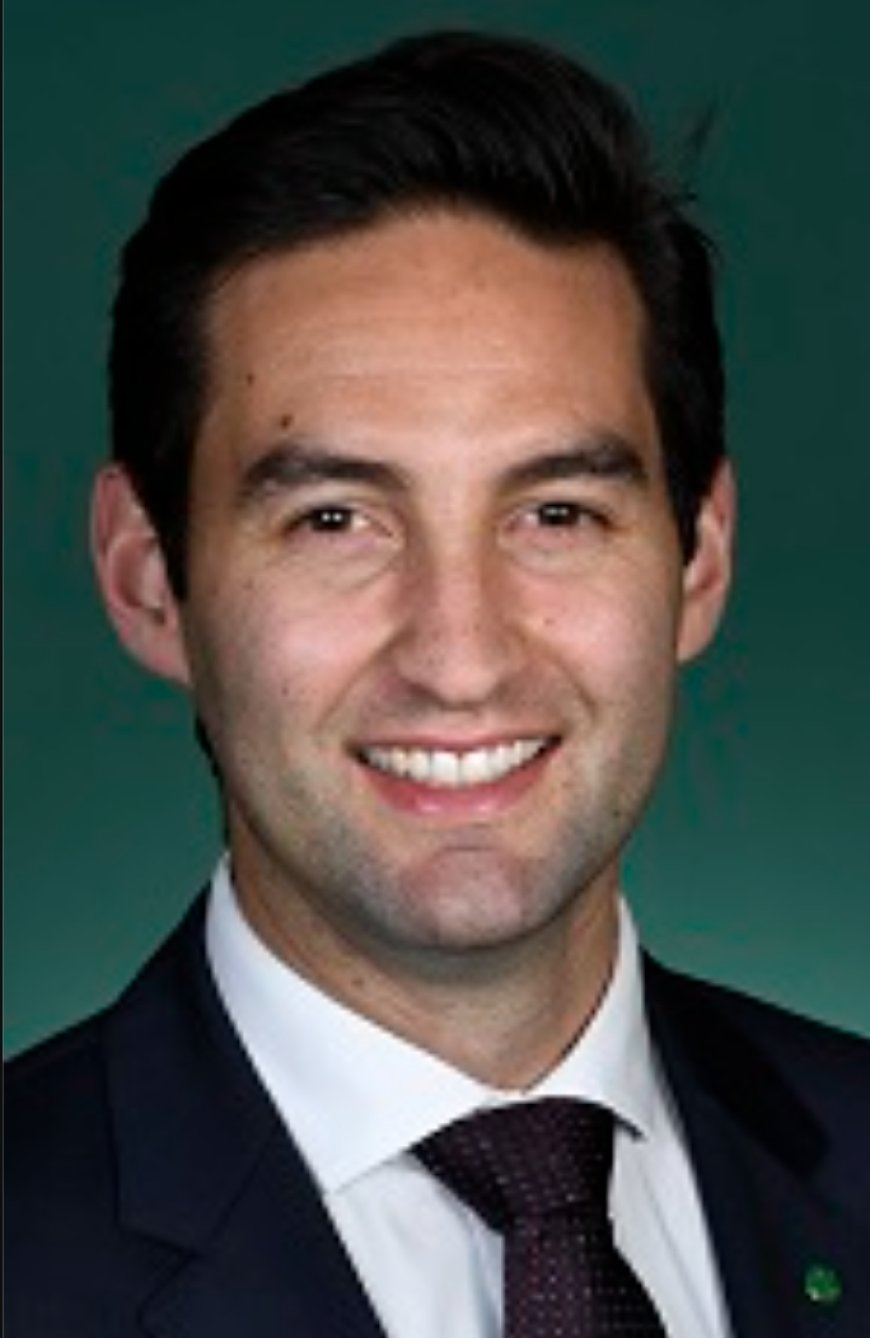
Canberra - An Australian parliamentary committee has delivered a scathing assessment of the Attorney-General’s Department (AGD), uncovering a series of failures in the procurement of national support services for victims of child sexual abuse.
The Joint Committee of Public Accounts and Audit (JCPAA) released its findings on February 5, 2026, revealing that crucial services recommended nearly a decade ago remain undelivered due to systemic mismanagement.
The inquiry, chaired by Member of Parliament Josh Burns, was launched following a 2025 report by the Australian National Audit Office (ANAO).
The audit concluded that the AGD failed to ensure open and effective competition, met neither ethical nor probity standards and could not demonstrate value for money.
"The audit's findings were serious," the Committee noted in its report. "The ANAO concluded that the procurements did not involve open and effective competition, were subject to substantial delays, accepted non-compliant tenders for evaluation, failed to meet ethical requirements, and did not achieve value for money".
The services in question, a national offending prevention service and a support service for non-offending family members, were mandated by the 2017 Royal Commission into Institutional Responses to Child Sexual Abuse.
Despite funding being allocated in the 2021-22 Budget, the AGD did not approach the market until late 2023. The Committee described the timeline as "deeply concerning".
While a contract for the offending prevention service was finally executed in July 2025, negotiations for the family support service collapsed in October 2024.
"Negotiations for the service intended to support non-offending family members collapsed in October 2024, and there remains uncertainty as to when, or how, that service will now be delivered," the report stated.
The inquiry further highlighted significant ethical lapses. It found that the AGD’s probity adviser was engaged through a process that itself "lacked probity" and was later tasked with providing strategic procurement advice, a move the ANAO said "adversely impacted the independence and objectivity of the process".
Moreover, the Chair of one evaluation panel held an unmanaged conflict of interest due to an existing relationship with the eventually contracted provider.
The ANAO testified that records of the evaluation process were sometimes inaccurate, sometimes inconsistent, sometimes incomplete, making it impossible to be confident that the final results represented value for money.
The AGD has accepted all of the ANAO’s findings and acknowledged that the processes were unacceptably slow.
Acting First Assistant Secretary Kathleen Denley told the public hearing, "I think, with the value of hindsight, that was too long. It didn't meet expectations".
The Committee, however, remains "not yet persuaded" that the department is capable of delivering the full suite of required services.
The JCPAA has issued two primary recommendations, that the AGD must immediately report back within one month on the current status of the National Action Plan support services.
And that the department must provide a detailed report in six months outlining its progress in addressing the ANAO’s recommendations, backed by concrete examples from current and planned procurements.
"The Committee is not yet persuaded that AGD is positioned to deliver the full suite of services required," the report concluded, emphasizing the urgent need for transparency in the vital services.