NSW Forestry Face-Off Over Endangered Glider Habitat in Glenbog State Forest
Conservationists and local wildlife carers to meet with Forestry Corporation of NSW to demand a halt to logging plans in Glenbog State Forest, citing a critical threat to endangered greater gliders.
 Harry Taruva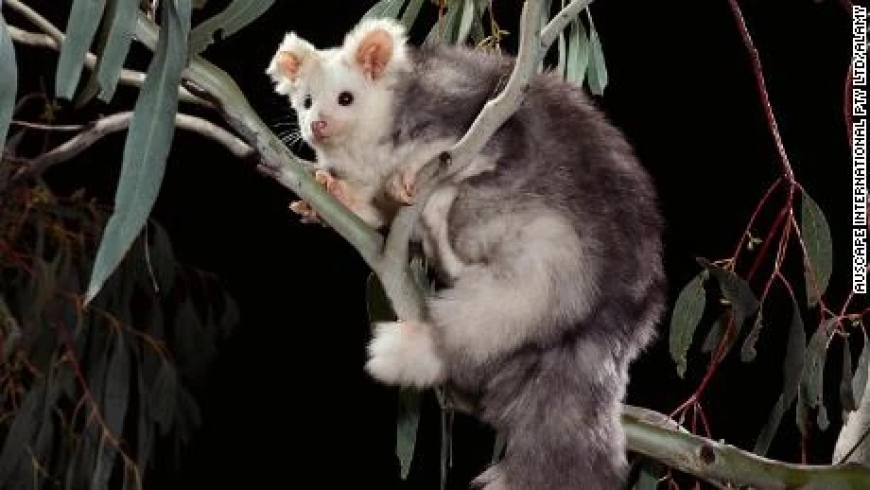
Sydney - Conservationists and local wildlife advocates are prepared for a high-stakes confrontation with the Forestry Corporation of New South Wales this week, seeking to block state-sanctioned logging, cutting of trees, in a region described as a final "stronghold" for endangered marsupials.
The dispute centers on 515 hectares of the Glenbog State Forest, located in the southern NSW High Country near Cooma.
On March 12, a coalition of residents and experts from Humane World for Animals Australia will meet with forestry officials to demand the protection of critical habitat utilised by the endangered greater glider and the vulnerable yellow-bellied glider.
Recent ecological surveys within the forest identified 112 hollows in old-growth trees currently serving as dens for the animals.
While existing forestry regulations mandate a 50-meter buffer zone around known den sites, advocates argue that the broader logging plan threatens the structural integrity of the ecosystem.
"Continued logging in Glenbog State Forest will be disastrous for Endangered greater gliders and the other unique and remarkable animals who inhabit it," said Dr. Renae Charalambous, Wildlife Program Manager for Humane World for Animals Australia.
She said both the greater glider and the yellow-bellied glider are biologically dependent on the hollows found only in mature, old-growth timber.
The region serves as a sanctuary not only for gliders but also for endangered gang-gang cockatoos and vulnerable flame robins.
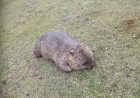
Furthermore, the forest is a primary release site for rehabilitated native species, including bare-nosed wombats.
Local carers have raised alarms over the physical impact of heavy machinery, documenting instances where burrowing animals have been entombed during previous operations.
The impending meeting is viewed by conservationists as a critical juncture for biodiversity in the state.
Dr. Charalambous noted that once these ancient trees are removed, the displaced species have no viable alternative habitat.
She stated that Glenbog is one of the last unprotected areas where these specific species coexist.
"We’re calling on the Forestry Corporation of NSW to do the right thing and urgently halt their plans for logging in Glenbog State Forest," Dr. Charalambous said.
She cautioned that logging in this sector risks destroying crucial habitat for species that are already under significant pressure.
The Forestry Corporation of NSW has not yet issued a formal response to the specific demands regarding the March 12 meeting.
The outcome of the discussions is expected to influence the management of old-growth tracts across the state's southern timber reserves.