
Australian Disability Summit Calls for Stronger Inclusion of Multicultural Communities
By Harry Taruva — More than 200 participants at Settlement Services International's (SSI) National Culturally and Linguistically Diverse (CALD) Disability Inclusion Summit have called for disability reforms that address language, cultural and systemic barriers facing people with disability from migrant and refugee backgrounds.
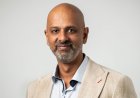
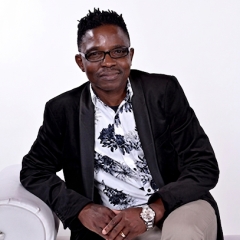 Harry Taruva
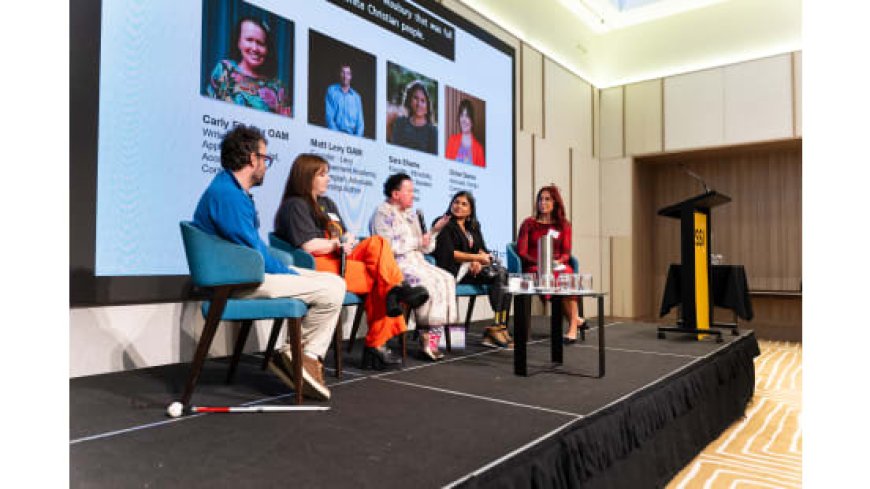
Sydney, Australia — More than 200 people have called for disability reforms that better address the cultural and linguistic needs of migrant and refugee communities at a national summit organised by Settlement Services International (SSI).
The National CALD Disability Inclusion Summit brought together people with disability, community leaders, advocates, health professionals and policymakers to examine barriers preventing culturally and linguistically diverse (CALD) Australians from accessing appropriate support.
Discussions focused on language barriers, culturally safe services, accessible information and the limited representation of multicultural people with disability in leadership and advocacy.
SSI General Manager for Children, Families and Disability Support, Ben Fioramonte, said Australia's disability system needed to reflect the country's cultural diversity as major reforms continued.
Australia speaks more than 300 languages, while almost one in four residents speaks a language other than English at home, he said.
“Australia’s disability system is changing. We have an opportunity to ensure these reforms work for the full diversity of the Australian community,” Fioramonte said.
“Today, we’ve brought together the voices that can shape that. The focus is on practical solutions and lived experience voices," he said.
The summit highlighted findings from consultations with community leaders and stakeholders, which identified difficulties accessing culturally safe and trauma-informed services, inadequate information in accessible languages and the underrepresentation of people from CALD backgrounds in disability advocacy.
Sara Shams, founder of Ethnobility Consultancy, said disability experiences among migrant and refugee communities were shaped by intersecting factors, including culture, language and gender.
“For people from migrant and refugee backgrounds, experiences of disability are often shaped by culture, language, gender and community,” Shams said.
She said meaningful inclusion required more than consulting affected communities, arguing that people with lived experience needed genuine influence over the services and policies affecting them.
The summit also examined opportunities within current National Disability Insurance Scheme (NDIS) reforms to improve equity and inclusion, drawing on the NDIS Cultural and Linguistic Diversity Strategy and Action Plan 2024–2028 and the federal Multicultural Framework Review.
Both policy frameworks identify the importance of disability awareness, peer support and leadership development in culturally diverse communities.
Speakers included Michael Perusco of National Disability Services, Professor Frank Oberklaid of the Murdoch Children's Research Institute and Sylvana Mahmic of Plumtree Children's Services.
SSI also presented its National Culturally and Linguistically Diverse Advisory Committee and the Pathways to Possibilities Project, alongside practical tools and co-designed approaches intended to improve cultural safety and accessibility across disability services.
The organisation said the summit aimed to move the discussion beyond recognising cultural diversity towards ensuring multicultural people with disability have a meaningful role in shaping Australia's disability system.