
The Death of Mother Languages Starts in the Classroom
Slang is spice. You cannot make a whole meal out of spice. If we make street language official, we are making our nation illiterate in its own mother language.
 Kwedu News
By Siphosami Ndlovu
Last week I had a debate that left me deeply worried about our future. A disk jockey (DJ) argued that street slang should now be made an official language.
A teacher supported him, saying if a child writes street language in an examination, we should mark it correct!
"There is nothing wrong," they said, "for a child to say 'ndakavhaya' or 'regai ndimboti checheretwa' or 'ziwani jeki'? There is nothing we can resist or deny."
With due respect, there is EVERYTHING wrong. And we must resist it.
For the record, I must clarify, the Speaker of Parliament did NOT mention any DJ by name. What he said was that: "these little fellows who appear on Star FM, sometimes ZTV", are using unpalatable, pedestrian language like "ndokusendera/ukundisendera", and even reading codes like "1005" on air.
This is not broadcasting, it is butchering the mother language. My debate with the DJ and the teacher is a direct result of that same decay the Speaker was condemning.
Popularity Is Not Officialdom
A DJ's job is to entertain. To argue that slang should be official because it is popular is to confuse the dancefloor with the Constitution.
Yes, "ziwani jeki" will fill a club. But an official language must do more. It must write a Constitution, argue a High Court case, teach Biology and write a condolence letter to a grieving widow.
Can a judge write a judgment with "ndokusendera"? Can a doctor write "akavhayisa murwere" in a medical report? Can we teach photosynthesis as "muti unochecheretwa nezuva"?
Slang is spice. You cannot make a whole meal out of spice. If we make street language official, we are making our nation illiterate in its own mother language.
The Teacher Betraying The Profession
This is the most painful part. A teacher who says "mark slang correct" has abdicated his duty.
Education is not about accepting everything a child brings from the street. Education is about correction and elevation.
When a child writes "ndakavhaya," the correct Shona is "ndakaenda." When a child writes "ndikangoti checheretwa ndokubva ndasvika," the proper expression is "ndakango dimburira ndobva ndasvika." When a child says "ziwani jeki," he means "unjani ndoda?" Itself borrowed and broken.
If we mark it correct with our own red pen, we are telling the child there is no need to learn proper language.
We are destroying mother language right inside the classroom. We are producing a generation that cannot write a job application letter without saying "ndokusendera ma-CV".
Is that the graduate the DJ wants to employ?
Language Evolves, But It Does Not Decay
Yes, languages evolve. "Computer" became "kombiyuta." That is borrowing and adapting to grow. But "ndakavhaya" is not evolution, it is decay. It shrinks vocabulary.
Official languages grow vocabulary, street slang reduces it. One precise Shona word "kuuya" is now replaced by ten vague slangs, kuvhaya, kudhuma, kudzika, etc, all meaning nothing precise.
That is why the Speaker was right to call this language unpalatable and pedestrian. It has no cultural beauty, no precision and no respect.
My Conclusion to the DJ and Teacher
Let the DJ say "ziwani jeki" at 11pm in the club if he must. But at 8am on Star FM, let us hear pure mother language.
Let the child speak slang in the playground if he must. But in the classroom, let the teacher correct him. That is why she is called a teacher.
We cannot resist slang in the street. But we MUST resist it becoming the official language and the exam answer.
If we deny that duty, we have denied our mother.
And that is why we need to document correct mother languages, create libraries if need be, a platform for everyone to learn, research and document our community heritage through writing and oral history.
Most local institutions have failed to gather their history and some have boxes full of old books gradually nibbled by time, consumed by rain and decorated by dust for decades.
If we lose the language, we lose the history in those boxes.
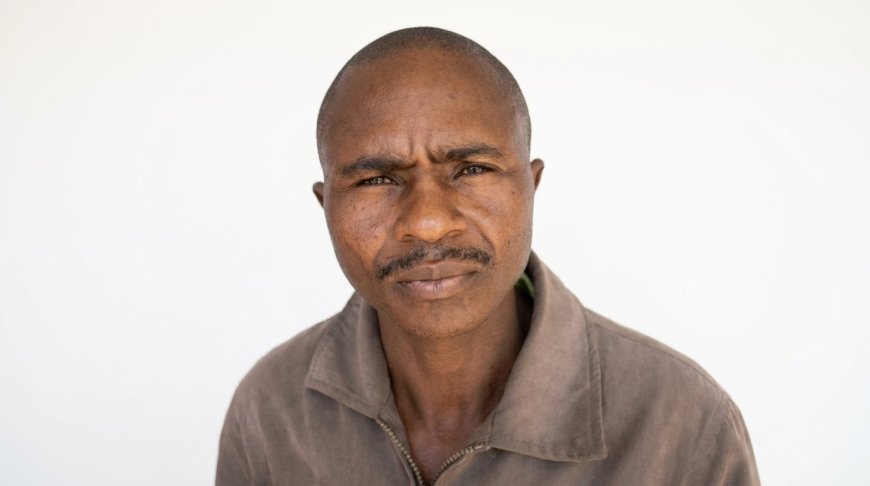 Siphosami Ndlovu is a seasoned performing artist, author, arts director and producer.