Australia Gvt Seizes Illegal Cockroaches Worth Over US$200K
Environmental and biosecurity authorities have confiscated more than 100,000 illicit exotic cockroaches from a commercial breeding facility in Bathurst, New South Wales.
 Harry Taruva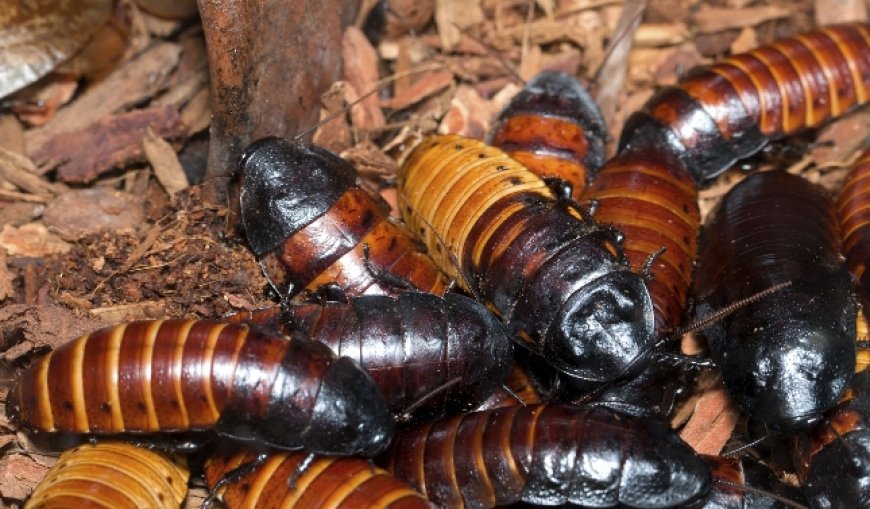
Canberra — In what has been described as the largest illegal exotic invertebrate seizure in Australia's history, environmental and biosecurity authorities have confiscated more than 100,000 illicit exotic cockroaches from a commercial breeding facility in Bathurst, New South Wales.
The Department of Climate Change, Energy, the Environment and Water confirmed the massive operation, estimating the black-market street value of the intercepted insects at up to US$200,000.
According to Bathurst-based wildlife handler, Stefanie Lesser, the hoard predominantly consisted of Dubia cockroaches and Madagascar hissing cockroaches.
Investigators believe the insects were being intensively bred to be trafficked as a low-cost food source for captive reptiles.
Under Australia's exceptionally stringent biosecurity frameworks, it is illegal to import, keep, breed or sell these non-native species.
Environmental experts warn that the seized insects, some measuring up to three inches in length, represent a catastrophic ecological and agricultural hazard.
Ad the specific populations bypass mandatory federal environmental risk assessments, they carry an unknown cocktail of pathogens and diseases.
Officials from the New South Wales Department of Primary Industries stated that if these resilient pests were to escape into the wild, they could vector diseases capable of decimating native wildlife and crippling local agricultural sectors.
Following standard biosecurity containment protocols, the entire consignment of 100,000 insects will be humanely euthanised and incinerated to eliminate any risk of environmental contamination.
Federal officials have issued a stern warning to pet shops, commercial breeders and private hobbyists, reiterating that involvement in the possession, breeding or trading of unauthorised exotic species attracts severe federal penalties, including heavy fines and potential imprisonment.
Commenting on the bust, Carol Booth, the Policy Director for the Invasive Species Council, noted that the incident highlights an alarming and "growing global trend" of keeping exotic invertebrates as domestic pets.
Dr. Booth urged international biosecurity authorities to aggressively monitor this emerging smuggling pathway.
She cautioned that despite the profound long-term risks these species pose to domestic ecosystems, wildlife trade crimes of this nature historically attract disproportionately low penalties, a loophole that syndicates continue to exploit.