Apology and Fallout: Zimbabwe Independent Retreats as ZBC “Missing Millions” Storm Collides with State Power
Zimbabwe Independent issued an unequivocal apology after falsely reporting that US$52 million in license-fee revenue was missing at the Zimbabwe Broadcasting Corporation (ZBC). The government rejected the claims as fabricated, clarified no forensic audit was warranted and confirmed a routine audit is scheduled for March 2026 as the controversy unfolds amid leadership disputes, media-government tensions and increasing legal pressure on independent journalism in Zimbabwe.
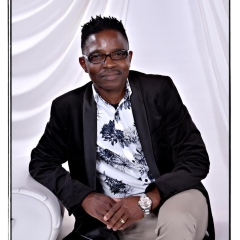 Harry Taruva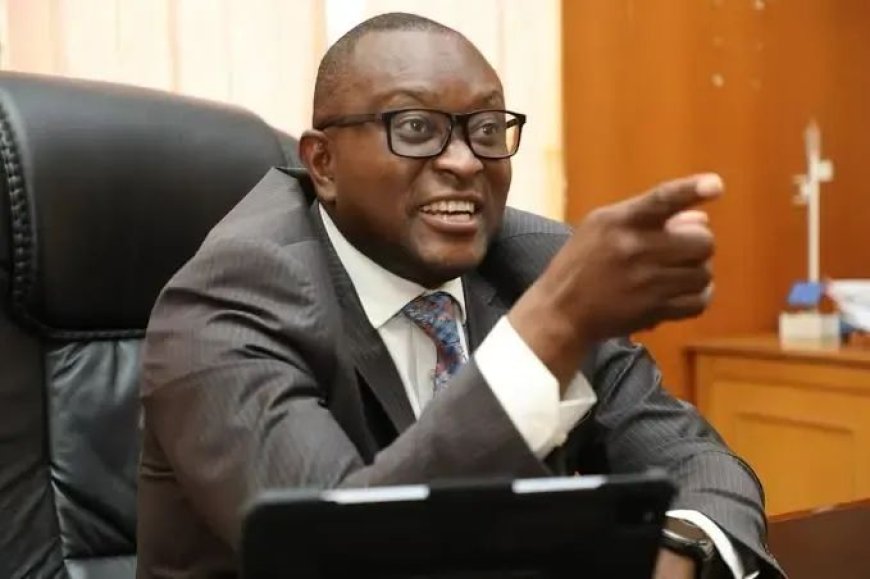
Harare - The Zimbabwe Independent, one of the country’s leading investigative weeklies, issued a rare and "unequivocal" apology on Saturday after publishing a front-page story alleging that US$52 million in license-fee revenue had gone missing at the state broadcaster, the Zimbabwe Broadcasting Corporation.
The retraction follows a swift and stinging rebuke from the Zimbabwean government, which labeled the report a complete fabrication designed to destabilize state institutions and tarnish the image of President Emmerson Mnangagwa.
Unfounded Allegations
In an official apology addressed to the Board of the Zimbabwe Broadcasting Corporation (ZBC) and its Chairperson, Helliate Rushwaya, the newspaper's Editor, Faith Zaba, admitted the claims were not supported by verified facts.
"We acknowledge that the article contained claims, including the assertion that US$52 million was unaccounted for, which were not supported by verified official audit findings," Zaba wrote.
"We deeply regret that the publication may have created the impression of financial mismanagement or governance failure," she said.
The original report suggested the ZBC was gripped by a gravest governance crisis linked to vehicle radio license fees.
It tied the alleged missing funds to the recent dismissal of Rushwaya and the reassignment of former Information Minister Jenfan Muswere to a different portfolio.
Government Strike Back
The Ministry of Information, Publicity and Broadcasting Services moved to dismantle the narrative, stating that the thumb-sucked figure of US$52 million far exceeded actual collections.
In a statement released via state media, the Ministry accused the publication of bypassing official channels to print a pre-determined, vindictive story, allegedly fueled by "financial inducements" as "cheap as a bottle of whisky."
"To imply that the President would punish a Minister for uncovering wrongdoing is not only a gross misrepresentation of His Excellency’s character but a reckless attempt to create a false narrative of discord where none exists," the Ministry stated.
The government further clarified that no forensic audit had been commissioned because no evidence of malpractice has ever been presented to warrant one.
However, as political analyst Reason Wafawarova points out from his base in Australia, the friction was deeply rooted in a leadership crisis.
On February 2, 2026, Jenfan Muswere had dismissed Rushwaya citing corporate governance failures, but President Mnangagwa intervening personally while on an official visit to the United Arab Emirates, reassigned Muswere to the Skills Audit and Development portfolio, Wafawarova said.
Audit Pending
While the Zimbabwe Independent has retracted the specific allegations of a US$52 million storm, the broadcaster remains under the spotlight.
The government confirmed that a regular audit of the ZBC is scheduled for March 2026.
"We will further ensure that the results of this audit are duly tabled before Parliament for scrutiny," the Ministry said, insisting there was nothing to hide.
Wafawarova notes that Rushwaya’s leadership has coincided with the introduction of the controversial vehicle-linked radio licence fee system, which significantly increased ZBC revenue.
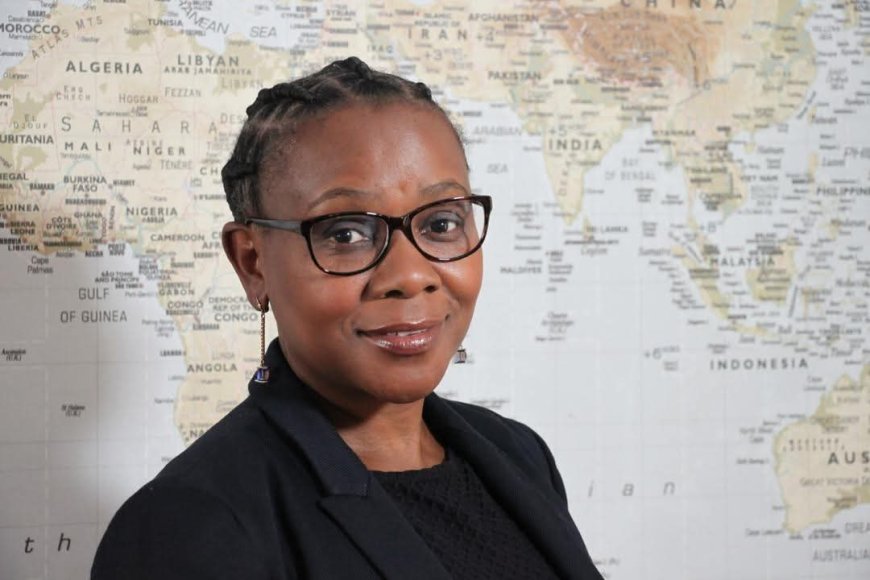 Helliate Rushwaya
He also highlights that during his tenure, Muswere had pledged a US$10 million content fund for local producers, though the status of that fund remains unclear following his reassignment.
Meanwhile, the climb-down by the Independent has been viewed by some analysts as a cautionary and safety move by the publication following several previous conflicts with the government.
A Pattern of Legal Siege
The apology from the Zimbabwe Independent marks the latest chapter in a tumultuous 12 months for its parent company, Alpha Media Holdings (AMH).
As the country’s largest private media house, overseeing The Standard, NewsDay, Independent and online television station Heart & Soul Tv (H&Stv) the group has become a frequent target of a government crackdown on dissent.
In July 2025, the publication’s Editor, Faith Zaba and AMH Editor-in-Chief, Kholwani Nyathi, were arrested and charged with undermining the authority of the President.
The charges centered on a satirical column, "Muckraker," which criticized the administration’s regional diplomacy.
Zaba spent three nights in police custody before being granted bail, a move human rights groups described as "judicial harassment."
The group’s investigative unit has also faced severe physical and legal risks.
In February 2025, prominent H&Stv journalist, Blessed Mhlanga, was arrested for filming an interview with a disgruntled war veteran, the late Blessed Geza..
Accused of inciting public violence, Mhlanga was detained for 71 days in pretrial remand, one of the longest incarcerations for a journalist in Zimbabwe’s recent history after Hopewell Chin'ono, before the state’s case began to falter in court.
Beyond the courtroom, AMH has alleged a campaign of "economic strangulation."
In late 2025, the company revealed it was owed over US$400,000 in unpaid advertising revenue by various government departments.
Media monitors argue that by withholding these payments while simultaneously pursuing aggressive litigation, the state is attempting to force independent outlets into insolvency or editorial compliance.
The current retraction regarding the ZBC "licence-fee storm" comes at a time when the Zimbabwean government has increasingly utilized the Cyber and Data Protection Act to penalize "falsehoods."
Observers note that the swiftness and tone of the Independent’s apology suggest a strategic retreat to avoid further arrests or the potential cancellation of its publishing licenses under the country’s media laws.
In a rapid escalation of legal pressure on digital media, Bulawayo24 journalist Gideon Madzikatidze is spending the weekend in remand prison, remanded in custody on February 20, 2026, facing charges of unlicensed broadcasting and cyberbullying.
The State alleges that between December 15 and 16, 2025, Madzikatidze operated an unauthorized internet service and published claims that the Geo Pomona boss bribed journalists to evade scrutiny, an act prosecutors termed intentional harassment.
This follows yet another February 4, 2026, arrest of ZimboLive reporter Pellagiah Mupurwa, who was detained for "transmitting false messages" after interviewing residents about a property dispute in Budiriro.
While Mupurwa was released on February 6 following a public apology from her outlet, Madzikatidze remains in custody pending a bail hearing on Monday, February 23.
The Zimbabwe Independent concluded its apology by stating it never intended to "impugn the integrity, diligence or oversight role" of the ZBC leadership.