12 Years Behind Bars: How a Five-Cattle Heist Ended in a Heavy Sentence for Gweru Farm Man
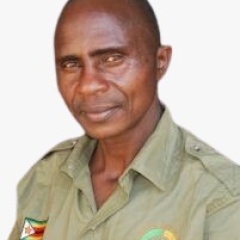 Dumisani Ndlovu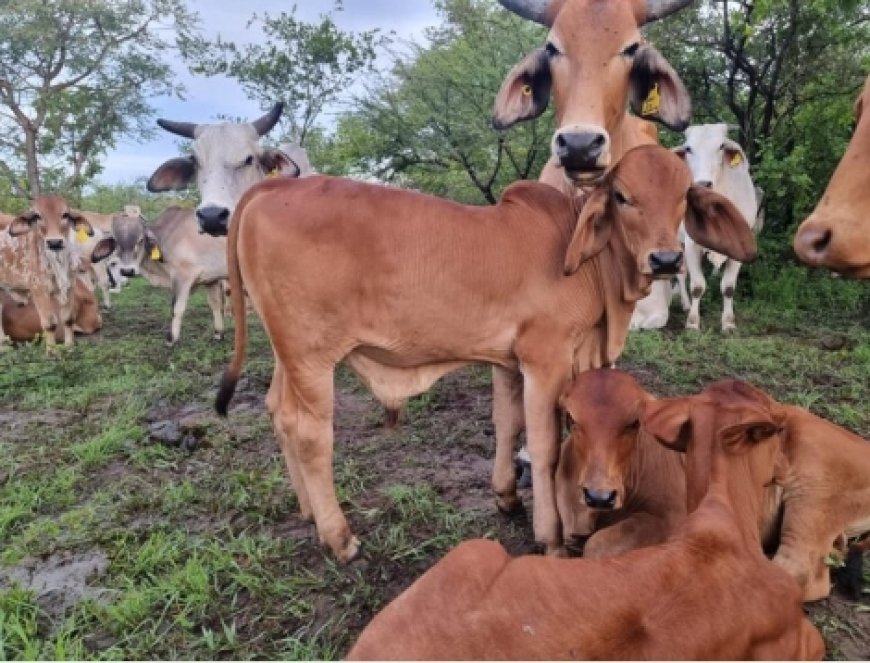
GWERU – What began as an ordinary grazing day at Dawson Farm in February 2024 ended in a dramatic chain of events that would ultimately cost a 30-year-old farm tenant his freedom for more than a decade.
Zvinoera Shariwa has been sentenced to an effective 12 years in prison after being convicted of stealing five head of cattle valued at US$2 200. He was found guilty of stock theft as defined in Section 114(2)(a) of the Criminal Law (Codification and Reform) Act [Chapter 09:23] following a full trial before Gweru Magistrate Blessing Makaripe.
The court imposed a 14-year sentence, suspending two years on condition that he does not commit a similar offence within the next five years.
The complainant, Munyaradzi Mhishi (43), a Bulawayo resident who keeps about 90 cattle at Dawson Farm in Gweru, had entrusted his herd to a herd boy on the morning of February 11, 2024. Around 9:00 a.m., the cattle were driven out to graze as usual.
But by early afternoon, five beasts had allegedly been separated from the herd.
According to court testimony, Shariwa was seen later that day driving five cattle and asking for directions to Woodend Farm. As daylight faded, the movement of cattle at night began raising suspicion.
At around 8:30 p.m., he was intercepted at Plot 354A in Rubi 26 by Langton Marume. He was reportedly driving the cattle without the mandatory animal movement permit or police clearance documentation — key safeguards in Zimbabwe’s livestock control system. In the confusion that followed, Shariwa managed to flee, leaving the cattle behind.
The recovered cattle were placed under the custody of Rubi 26 village head Boniso Sibanda.
Months later, on June 12, 2024, Shariwa allegedly returned to the village head’s residence demanding the release of the beasts. The court heard that he attempted to claim that one of the cattle had been sold by his mother to another party. The village head, however, insisted that the lawful owner appear in person.
Two days later, on June 14, the complainant arrived accompanied by police officers and positively identified the cattle through ear tags and brand marks — a decisive moment in the case.
The cattle, valued at US$2 200, were all recovered.
Investigations culminated in Shariwa’s arrest. During trial proceedings, the State produced key documentary evidence, including an indemnity form and an exhibit seizure confirmation receipt.
In delivering judgment, Magistrate Makaripe ruled that the State had proven its case beyond reasonable doubt and found that the offence had been committed in aggravating circumstances.
The court commended the work of prosecutor Fredrick Matsheza and Gweru Rural investigating officer Kizito Mahachi, noting that their efforts played a significant role in bringing the matter to finality.
Stock theft continues to attract stiff penalties in Zimbabwe, reflecting the serious economic harm it causes to farmers and rural livelihoods. For many in agrarian communities, cattle are more than livestock — they represent wealth, security, and survival.
For Shariwa, what the court determined to be a calculated attempt to move five cattle under the cover of evening has now translated into a lengthy stay behind bars — a strong warning of the weight the justice system places on crimes against rural property