ZIMCODD, Midlands Stakeholders Demand Tax Reforms to Ease Burden on Women and the Poor
A multi-stakeholder meeting in Gweru organised by ZIMCODD highlighted Zimbabwe's US$23.4 billion debt crisis and regressive tax policies that disproportionately affect women and informal traders.
 Delicious Mathuthu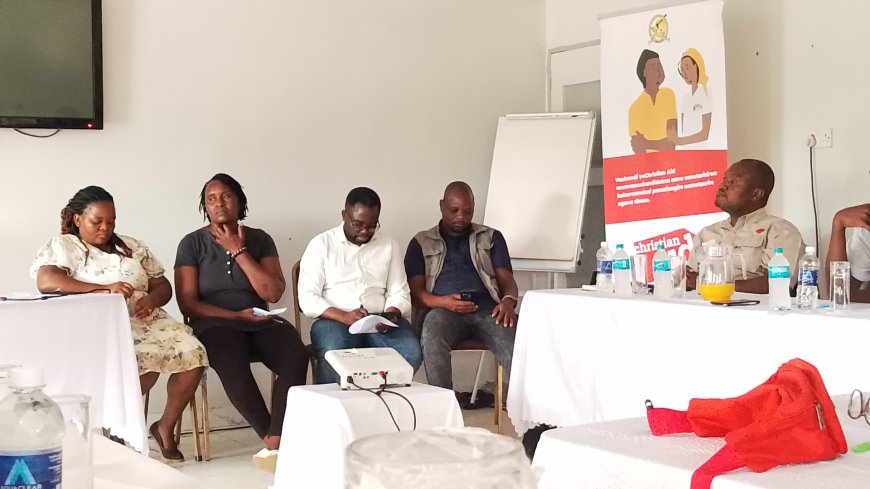
Gweru - Civil society leaders, government officials and residents gathered in Gweru to demand a sweeping overhaul of Zimbabwe’s fiscal policies, warning that the nation’s US$23.4 billion debt is fueling a regressive tax system that shoulders the burden onto the poor and marginalised, especially women.
The high-level engagement, convened by the Zimbabwe Coalition on Debt and Development (ZIMCODD), in collaboration with the Gweru Residents and Ratepayers Association (GRRA), sought to address a fiscal environment described as being under intense pressure.
Experts noted that the national debt now constitutes over 80 percent of the country's Gross Domestic Product (GDP).
"Zimbabwe's fiscal environment continues to be under intense pressure stemming from the debt challenge that we have as a country," ZIMCODD Head of Programmes, Mucha Midzi said on the sidelines s of the engagement meeting.
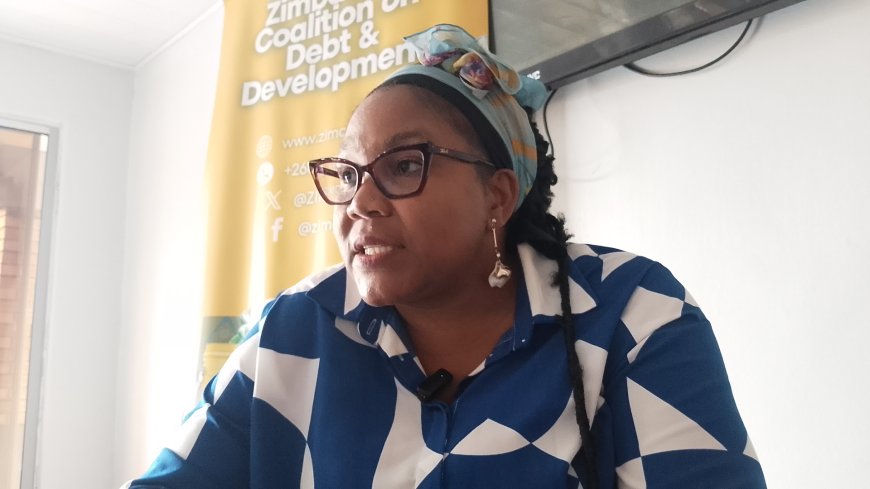 ZIMCODD Head of Programmes, Mucha Midzi
"Our revenue mechanisms as a government are highly regressive. They are regressive in the sense that most of them are consumptive. For example, taxes such as VAT (Value Added Tax), IMTT (Intermediated Money Transfer Tax), excise duties are regressive in the sense that they are targeting the poor, the marginalised, and those are the people that are being taxed more," she said.
The meeting, themed "Making Tax Work For Women Campaign," drew various stakeholders, including the Mayor of Gweru, Councilor Martin Chivhoko, the Assistant District Development Coordinator (DDC), former Gweru Urban Legislator and Parliament Public Accounts Committee Chairperson Brian Dube and officials from the Zimbabwe Revenue Authority (ZIMRA) and the Ministry of Women’s Affairs, among others.
Midzi said the current tax structure disproportionately impacts women.
"It is women that are affected more or that are sitting at the receiving end, where they are on one end taxed more, but on the other suffering, or they are shouldering the burden that the state should be carrying, especially in terms of service provision or the provision of critical social services, including health, education etc," she stated.
The sentiment was echoed by informal traders who feel trapped in a cycle of multiple taxation.
One female trader, who declined to be named, described the struggle as very taxing.
"This thing of taxes is painful because I am an informal trader and I pay at the border at ZIMRA, after paying I also meet ZIMRA on the road, from there when I sell at my table ZIMRA also follows wanting the tax.
"So how many times do we have to pay ZIMRA, more than three times, so this is painful, very hard for us," she stated.
While the debt burden is high, Midzi noted that the issue also lies in resource allocation.
"Tax on its own is not a problem. But the problem now lies in the manner in which those monies are then utilised at the end of the day.
"Our challenge lies in how we are allocating those resources to ensure that the poorest or those that depend on public services are benefiting from the taxes that they are paying," she said.
The meeting debate also veered to the quality of representation in key decision-making positions.
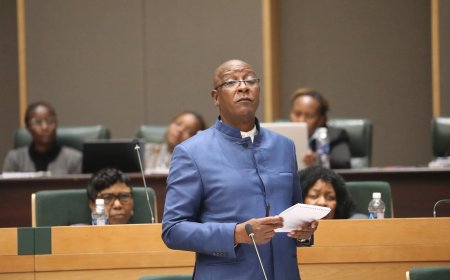
Former Gweru Urban MP and Parliament Public Accounts Committee Chairperson, Hon. Brian Dube, addressed the need for competent oversight.
"In as much as women need representation in spaces like the Parliament, the constituencies need to look at the quality of those that they elect to represent them," Hon. Dube said.
Participant, Brisky Thulani Ncube added that the challenge often begins at the community level.
"The challenge with communities is that when it comes to politics and election period, they forget everything that they have been taught and become partisan ignoring the quality of candidates that are elected to represent them," Ncube observed.
Further gaps were identified in the implementation of existing laws.
Florence Guzha, Director for Ebenezer Women Entrepreneurship Trust, noted that policies without implementation or penalties for those that ignore laws to do with protection of women won't take the county anywhere.
"I believe as a country, we have so much good laws and frameworks that protects and enhances women's status, but at the end of the day, the implementation of these laws are not really there.
"There is so much gap between implementation and the laws that are in place," she said.
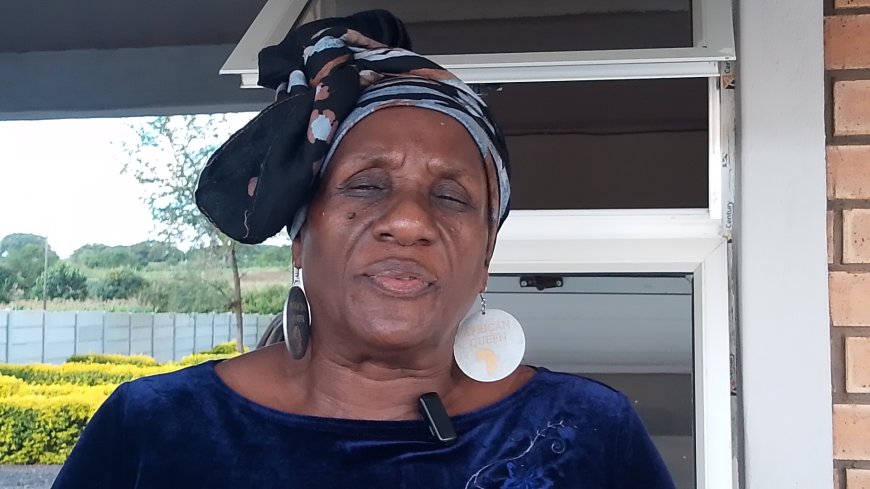 Ebenezer Women Entrepreneurship Trust Director, Florence Guzha
She advocated for penalties to ensure implementation, adding, "If there is a penalty that is attached to the issues to do with implementation, then surely we know these laws will be implemented and that these issues to do with women will actually be able to be considered."
ZIMCODD National Board Member representing the disability sector, Audrey Rusike, thanked ZIMRA for their knowledge sharing during the engagement meeting but urged more community outreach.
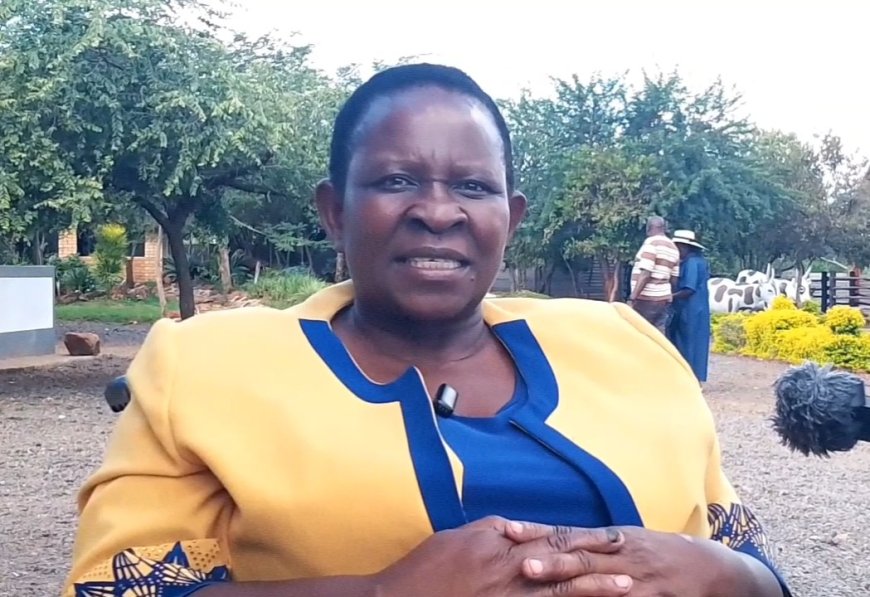 Audrey Rusike
"With the way they taught us and broke down the taxes issue we are saying they should come down to the community, into the wards explaining the issue of taxes so that even those in the informal sector know the importance of tax and how it is paid," Rusike said.
Academic perspectives provided by Kudzai Matsika from the Midlands State University Department of Governance and Public Management, who was the main presenter on the tax subject and its burden to women, highlighted that in 2025 the social protection sector only received 29 percent of its allocated budget.
The meeting concluded with recommendations on plugging revenue leakages, debt restructuring and increasing the capacity of policymakers to oversee public finance management.
On policy recommendations include the need for enforceable obligations through the amendment of the Public Finance Management Act to legally compel all Ministries to implement gender budgeting.
Also the need for full disbursements of funds allocated for gender equality and social protection was mentioned, along with need for 50 percent representation of women in key decision making structures to meet the constitutional requirement, and need for climate responsive budgeting to ensure fiscal policies address the specific vulnerabilities of women to climate change were mentioned.
Stakeholders from as far as Gokwe, Kwekwe, Shurugwi and Zvishavane committed to taking these recommendations forward to ensure national budgets and policies become more gender-responsive.