Zimbabwe Journalist Madzikatidze to Spend a Month in Pre-trial Detention
Zimbabwean journalist Gideon Madzikatidze was denied bail on March 2, 2026, remanded in custody until March 17 over cyberbullying and unlicensed broadcasting charges related to reporting on alleged corruption at Geo Pomona Waste Management. MISA highlights press freedom concerns in Harare court ruling.
 Delicious Mathuthu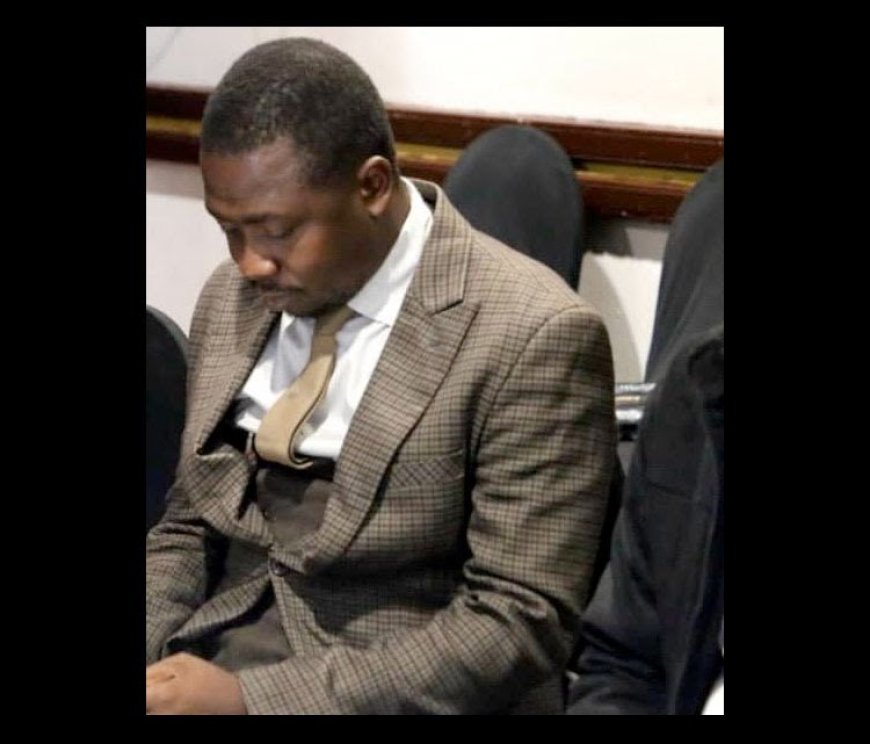
Harare - In a blow to media advocates, journalist Gideon Madzikatidze was denied bail on Monday, March 2, 2026, and remanded in custody until March 17, following charges related to his reporting on alleged corruption in the waste management sector.
This means Madzikatidze will spend a full month in pre-trial detention since his arrest on the 18th of February.
The decision, handed down by Harare Magistrate Ruth Moyo, has drawn sharp criticism from organizations like the Media Institute of Southern Africa (MISA), which issued a statement highlighting the case as part of ongoing threats to journalistic freedom in the country.
Madzikatidze, a reporter for the online publication Bulawayo24 News, faces two serious charges stemming from activities between December 15 and 16, 2025.
The first charge is for allegedly contravening Section 7(1) as read with subsection 4(b) of the Broadcasting Services Act, providing internet broadcasting services through the Bulawayo24 website without a proper license.
The second charge falls under Section 164B of the Criminal Law (Codification and Reform) Act, defining cyberbullying and alleges that he posted a data message claiming the boss of Geo Pomona Waste Management bribed journalists and editors to avoid scrutiny.
Prosecutors argue that the post was intended to intimidate, harass, bully, cause emotional distress and humiliate the company and its chief executive officer.
In her ruling, Magistrate Moyo emphasized the gravity of the offenses.
The court said the accused was a flight risk and may not stand trial if released on bail, citing concerns that Madzikatidze might abscond given the seriousness of the allegations.
This marks the latest development in a case that began with Madzikatidze's arrest on February 18, 2026, at Harare Central Police Station, where he has been detained for over two weeks.
The charges against Madzikatidze are tied to his article on Geo Pomona Waste Management, a company that has been embroiled in controversy since securing a high-profile waste-to-energy contract in Harare in 2022.
Originally linked to Netherlands-registered Geogenix BV, the deal was valued at around $350 million and involved converting the Pomona dumpsite into a waste-processing facility.
Critics have however labeled it a "murky" arrangement, alleging corruption and undue government influence, particularly given ties to prominent figures including Dilesh Nguwaya, the company's boss, who has connections to President Emmerson Mnangagwa's administration.
Reports suggest the contract, at the time of the deal, forced Harare ratepayers to pay nearly $3 million monthly for refuse services, with the government offsetting costs against the city's devolution funds, leading to accusations of it being a vehicle for siphoning public money.
In 2025, Geo Pomona announced plans to expand its operations to all provinces without local authority agreements, further fueling debates over transparency and accountability.
MISA is on record expressing concern about the weaponization of laws against journalists in Zimbabwe.
The organization, which monitors media violations across Southern Africa, has called for Madzikatidze's release, arguing that such detentions stifle investigative reporting.
International bodies have echoed the concerns. The Committee to Protect Journalists (CPJ) urged authorities to drop the charges, stating in a press release that "authorities must respect press freedom and stop criminalizing journalism."
Similarly, the Southern Africa Litigation Centre (SALC) expressed alarm over "the use of lawfare to target journalists," noting that Madzikatidze's remand is linked directly to his reporting.
The incident occurs against a backdrop of an alleged decline in press freedoms in Zimbabwe, where journalists have faced increasing harassment under laws like the Broadcasting Services Act and cybercrime provisions.
Advocacy groups like Zimrights warn that cases like Madzikatidze's could deter coverage of corruption, especially in sectors like waste management that involve significant public funds.