Zimbabwe Cabinet Approves Presidential Term Extension Plan to Seven Years
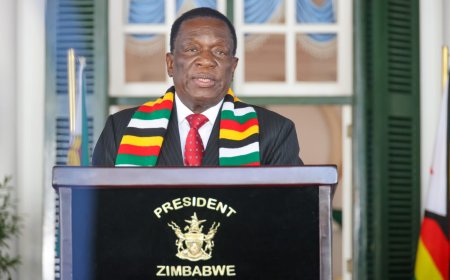
Zimbabwe’s cabinet has approved draft constitutional amendments that could extend President Emmerson Mnangagwa’s term to 2030, lengthen mandates to seven years, and shift presidential elections to parliament.
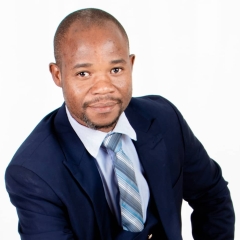 Delicious Mathuthu
Harare - Zimbabwe's cabinet has approved draft legislation proposing sweeping constitutional amendments that could extend President Emmerson Mnangagwa's term in office until 2030, including lengthening presidential mandates from five to seven years and shifting the election of the Head of State to Parliament rather than a direct popular vote.
The changes, presented by Justice Minister Ziyambi Ziyambi during a cabinet meeting on Tuesday, also include extending parliamentary terms to seven years, elevating the attorney-general's role, increasing the number of appointed senators and dissolving the Zimbabwe Gender Commission, according to a ministerial memo obtained by local media.
Voter registration would revert to the registrar-general's office, and the Zimbabwe Electoral Commission would be renamed, the memo added.
Mnangagwa (83), who assumed power in 2017 following a military-backed ouster of longtime leader Robert Mugabe, is constitutionally barred from seeking re-election after his second five-year term ends in 2028 as the current Zimbabwe Constitution states.
The proposed amendments would not only extend terms but also allow for Parliamentary selection of the President, requiring a majority vote among lawmakers, with a runoff if necessary, overseen by the chief justice.
Government officials framed the reforms as necessary for stability and efficiency.
"The primary objectives of the Bill are to enhance political stability and policy continuity to allow national development programmes to be implemented to completion," the memo from Ziyambi stated, adding that the changes aim to clarify institutional mandates and eliminate functional overlaps that undermine efficiency and accountability.
It further noted the intent to align Zimbabwe’s constitutional framework with contemporary African constitutional models that have demonstrated resilience, legitimacy and effectiveness.
The proposals align with resolutions from recent ZANU-PF party conferences in 2024 and 2025, which called for Mnangagwa to oversee the completion of his "Vision 2030" economic plan, aimed at transforming Zimbabwe into an upper-middle-income economy.
Supporters within the ruling party argue that extending Mnangagwa's leadership would safeguard ongoing projects in mining, agriculture and infrastructure.
Opposition figures and critics denounced the move as a power grab amid an internal ZANU-PF succession battle.
"Zanu PF is not seeking to amend the constitution; it’s attempting to introduce an entirely new constitution outside a referendum," said a statement from the opposition Citizens' Coalition for Change, as reported in local Zimbabwean media.
Former Finance Minister, Tendai Biti, a prominent opposition voice, vowed to challenge the amendments, continuing the fight of late activist Geza against what he called Mnangagwa's "2030 term extension."
Legal experts warned that the amendments, if passed by Parliament where ZANU-PF holds a majority, could face constitutional hurdles, including potential requirements for a national referendum on fundamental changes.
Zimbabwe's 2013 constitution, adopted after Mugabe's era, limits presidents to two terms and mandates direct elections.The bill must now be tabled in Parliament for debate and approval before any referendum or enactment.
Analysts say the reforms could de-escalate electoral tensions by reducing the frequency of national polls but risk entrenching ruling party dominance without addressing underlying issues of electoral integrity.
Zimbabwe has faced economic challenges, including hyperinflation and currency instability, though Mnangagwa's administration highlights growth in sectors like mining and agriculture as evidence of progress toward Vision 2030.
The country indirectly remains under Western sanctions over alleged human rights abuses and governance concerns, which Harare attributes to historical disputes.