Students With Disability Overlooked in Education Election Debate, Advocates Warn
Advocacy groups including CYDA and JFA Purple Orange have criticized major political parties in South Australia for failing to commit to inclusive education reforms ahead of the state election, despite a new 15-year roadmap supported by teachers and families.
 Harry Taruva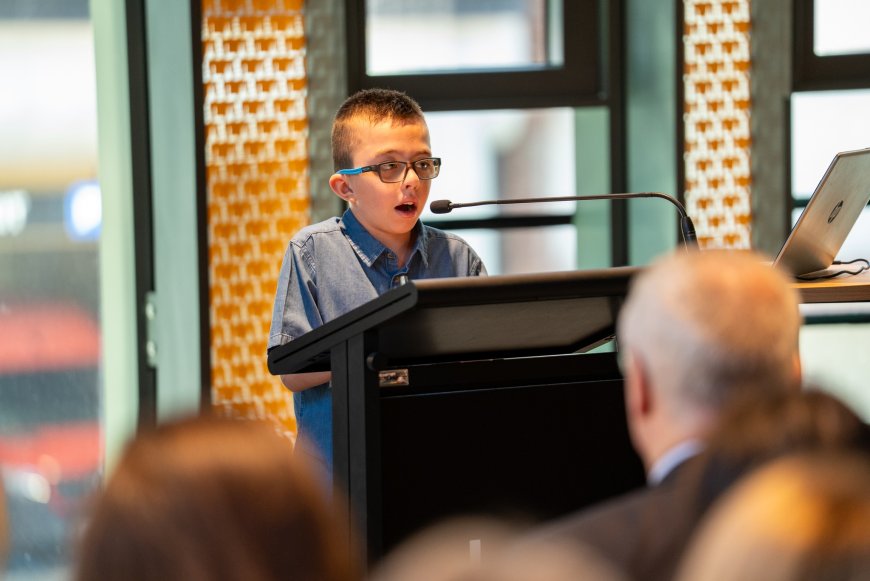
Adelaide - Advocacy groups have warned that tens of thousands of students with disability are being treated as an afterthought in the lead-up to the South Australian state election, as major political parties fail to commit to systemic classroom reforms.
Children and Young People with Disability Australia (CYDA) issued a statement on Monday expressing concern that neither the Labor nor Liberal parties have addressed the growing need for inclusive education, despite approximately one in four Australian students requiring educational adjustments.
The critique comes at a time when advocates are promoting the "South Australia Roadmap to Inclusive Education," a 15-year strategic plan developed through 12 months of consultation with 719 teachers, students and families.
The roadmap provides a framework for transitioning the state toward a fully inclusive system, yet it remains without a formal commitment from the leading candidates.
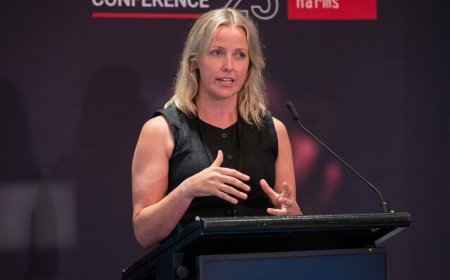
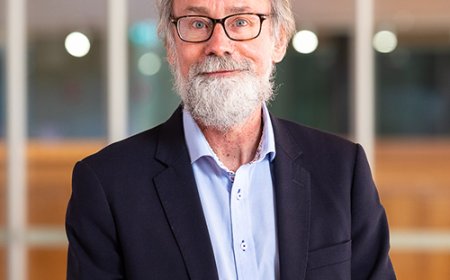
CYDA Chief Executive, Skye Kakoschke-Moore, said the lack of focus on the issue was unexpected given South Australia’s history of policy leadership, including the appointment of the nation’s first Assistant Minister for Autism.
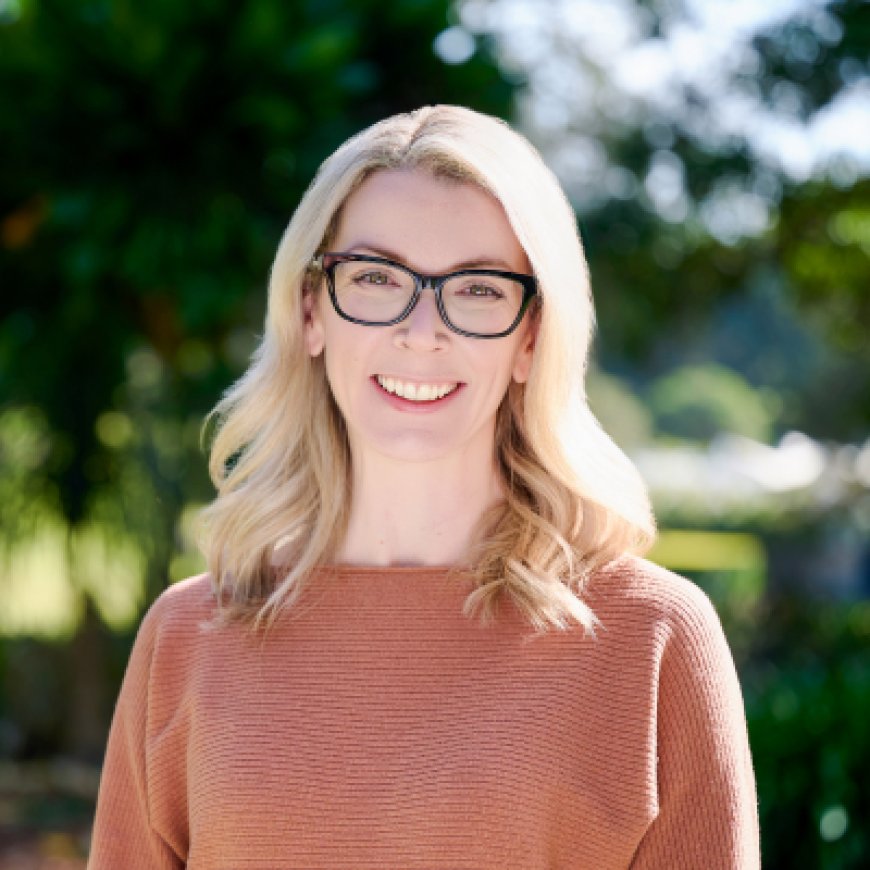 Skye Kakoschke-Moore
e"Children and young people with disability have the same right to learn, participate and belong at school as their non-disabled peers," Kakoschke-Moore said.
"Yet their experiences and needs are being treated as an afterthought this election, as though they don’t need to be accounted for when mapping out the future of South Australia’s education system," she said.
While both major parties have campaigned on infrastructure spending and the reduction of public school fees, advocates argue these measures do not address the cultural and structural barriers facing students with disabilities.
Data gathered during the roadmap's development revealed a gap between the desires of families and the reality of the current school environment.
The findings show that about 85 percent of families want their children educated alongside their peers in mainstream settings and 86 percent of teachers are calling for increased training to support students with disability.
Only 24 percent of students currently feel their school culture is truly inclusive.
Kakoschke-Moore noted that the proposed reform would also alleviate pressure on a workforce currently struggling with high rates of burnout.
"This plan recognises that supporting teachers with tools, training and resourcing also means supporting children and families who just want to be included," she said.
The call for action is supported by JFA Purple Orange, another prominent disability advocacy body.
Interim Chief Executive Officer Tracey Wallace pointed to the findings of the Disability Royal Commission, which previously recommended a phased end to segregated education settings.
"Inclusive education benefits everyone. The Disability Royal Commission made that clear when it called for an end to segregated education settings.
"Yet two years on, we are still waiting to see meaningful action," Wallace said.
"We’re calling on the incoming South Australian Government to commit to a co-designed inclusive education strategy, one that invests in inclusive practice, builds workforce capability and stops the creation of new special schools or segregated units," she said.
For those navigating the system, the impact of inclusive practice is often life-changing as Jerzy Ashley, a 10-year-old student and disability advocate with cerebral palsy, spoke recently about how specific teacher support allowed him to pursue his interest in political art despite fine motor challenges.
"When inclusion is normal at school, it helps me build the skills, confidence and independence I will need for University and for a career in politics," the Year 5 student said.
"So while I have faced barriers and challenges and not all of my experiences at school have been inclusive, I have also had teachers and education support officers who have gone above and beyond to make sure that I am included."
South Australians will head to the polls on Saturday, March 21.