Spaza Shops Association Demands Government Intervention Amid Escalating Violence and Structure Demolitions
The South African Spaza Shop Association (SASSA) is calling for an immediate end to informal shop demolitions and urgent government action against rising violence. The association has demanded the resignation of the Sunnyside Police Station Commander and urged institutions like UNISA to settle outstanding payments to protect the survival of township entrepreneurs.
 Delicious Mathuthu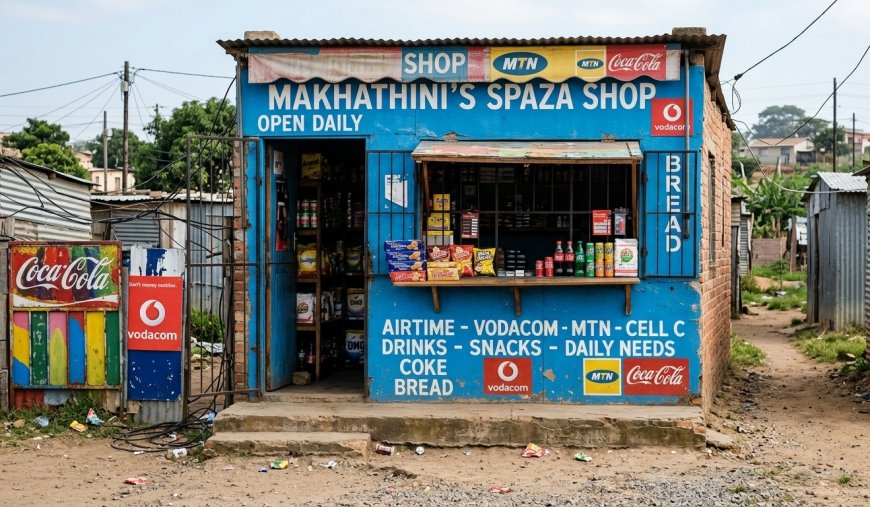
Pretoria - The South African Spaza Shop Association (SASSA) has issued an urgent plea for government collaboration in addressing a surge in violence targeting informal traders, and to halt the "devastating" demolition of trading structures.
The association warned that the current climate of insecurity and aggressive by-law enforcement is eroding the economic backbone of township and rural communities.
SASSA President, Kgothatso Ramautswa, said the escalating violence requires practical, enforceable interventions developed through meaningful dialogue rather than top-down mandates.
The association expressed particular alarm over the conduct of the City of Tshwane leadership, specifically regarding the destruction of long-standing businesses in Mabopane.
“The situation in Mabopane is particularly egregious. Many of the structures destroyed have stood for decades, predating the current administration by years.
"The destruction of these long-standing businesses reflects a profound disregard for the historical and economic significance of informal enterprises,” Ramautswa said in a statement.
The association further maintained that informal traders should be viewed as active economic participants rather than targets for law enforcement.
“Informal traders are not criminals; they are active participants in the economy who deserve protection and regulatory support, not bulldozers,” he said.
Beyond municipal enforcement, SASSA called for a radical overhaul of accountability within the South African Police Service (SAPS).
The association demanded the immediate resignation of the Sunnyside Police Station Commander following allegations of complicity with criminal syndicates.
SASSA is also seeking an independent financial audit and the suspension of officials implicated in misconduct, asserting that law enforcement must not facilitate the exploitation of the people they are sworn to serve.
Addressing the broader economic landscape, SASSA advocated for a national regulatory system to manage the complexities between local and foreign-owned spaza shops.
The association argued for a balanced approach that prioritises local entrepreneurs while ensuring adherence to health and safety standards.
Kgothatso highlighted systemic failures in payment systems at institutions like the University of South Africa (UNISA) and various municipalities, which the association claims are crippling small businesses.
"These delays cripple small businesses and deplete their cash flow, stifle growth and long-term sustainability and actively discourage youth entrepreneurship.
"We demand immediate accountability and the streamlining of payment systems to ensure that contractors are not forced into liquidation by institutional inefficiency," he said.
SASSA affirmed its readiness to engage constructively with both public and private sectors to establish a safer and more inclusive economic environment for informal traders across the country.
Spaza shops are a vital component of the South African informal economy, providing essential goods and services to millions of residents in areas where formal retail is often inaccessible.
However, the sector has been plagued by recurring challenges, including xenophobic tensions, crime and stringent municipal by-laws.
The City of Tshwane has recently intensified efforts to enforce urban management regulations, often leading to friction with informal traders who argue that the lack of formal infrastructure necessitates their current structures.
Additionally, the issue of "late payments" by government entities remains a persistent hurdle for Small, Medium, and Micro Enterprises (SMMEs) in South Africa, frequently leading to business closures despite successful service delivery.