
Solar Power Sector Faces Looming Infrastructure Crisis Over Panel Waste
The global solar industry faces an environmental crisis as millions of tonnes of aging panels reach end-of-life, prompting a major shift toward high-tech material recovery and lifecycle asset management.
 Harry Taruva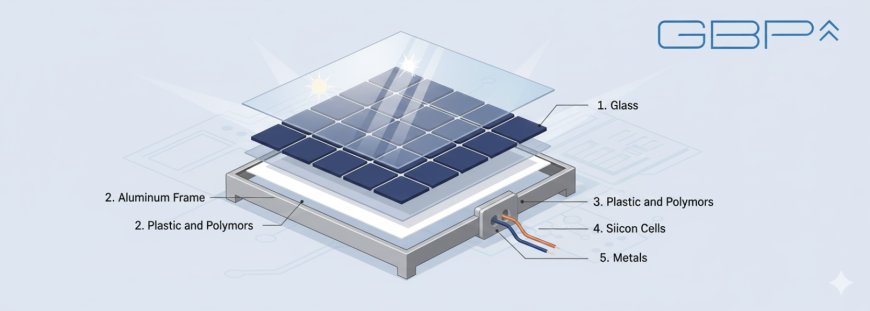
Tokyo - The global solar power sector is facing its first major infrastructure crisis as millions of tonnes of decommissioned photovoltaic modules are projected to flood waste management systems by 2050.
Rapid deployment over the last two decades, combined with performance degradation and the "repowering" of older sites with upgraded technology, has accelerated the volume of aging assets.
However, industry experts say the looming environmental challenge also represents a multi-billion-pound supply chain opportunity.
Modern crystalline-silicon panels, which make up more than 90% of the market, are highly resource-intensive.
A single module consists of 65% to 75% glass and 10% to 15% aluminium, alongside high-purity silicon cells and precious trace metals like silver and copper.
Advanced processing facilities are shifting the narrative from simple waste disposal to strategic resource recovery.
By deploying a combination of mechanical crushing, thermal treatment to strip away polymer layers, and chemical refining, modern systems now reclaim between 85% and 95% of a module's raw material.
"The role of solar panel recycling is shifting from an end-of-life disposal solution to a strategic component of global supply chains," clean energy firm GBP K.K. said in a statement.
"As demand for critical materials such as silver and high-purity silicon continues to rise, resource recovery is becoming increasingly important for material security and cost stability," they said.
The impending waste wave has forced energy firms to re-engineer how projects are financed and managed from day one.
In markets with large, aging solar fleets, developers are integrating decommissioning pathways into their earliest project phases rather than treating waste as an afterthought.
"End-of-life management is increasingly being incorporated into early-stage solar project planning," the company added.
"This approach enables system upgrades while supporting circular economy objectives and improving overall resource efficiency," they said.
With global manufacturing vulnerable to raw material shortages, securing local pipelines of recycled glass, aluminium and silver is quickly becoming a priority for energy security.