Monash University National Survey Targets 'Colonial Load' in Emergency Services
The National Indigenous Disaster Resilience program has launched a major survey to investigate the workplace stress and cultural conflicts faced by First Nations emergency staff.
 Harry Taruva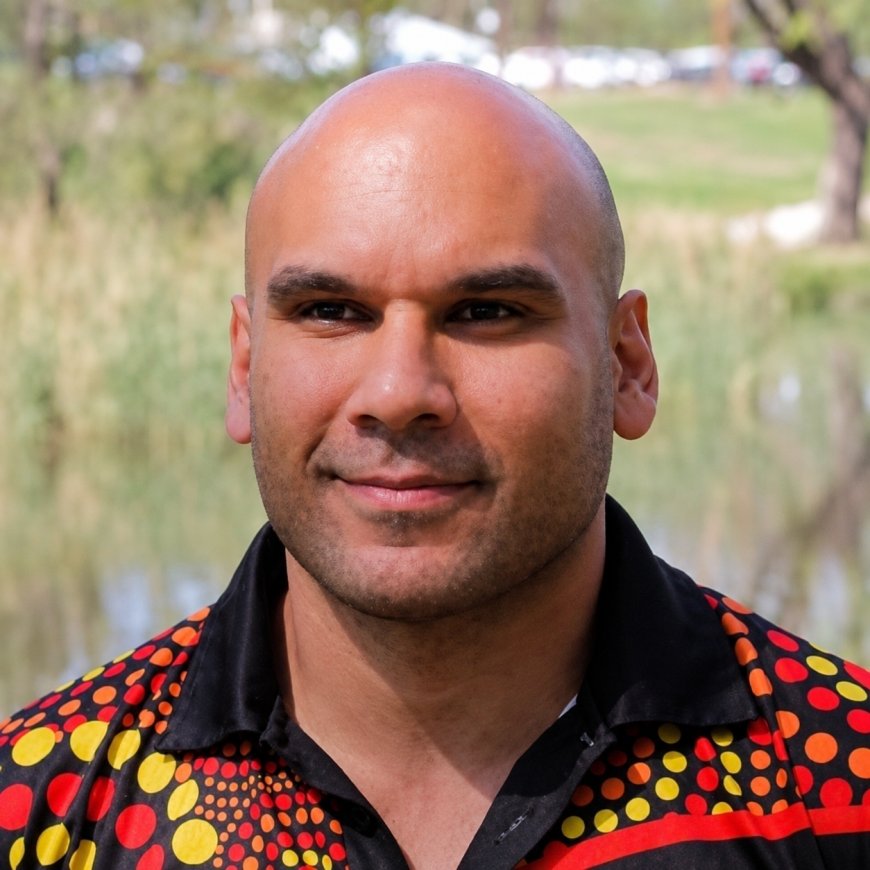
Melbourne — A nationwide research initiative has been launched to investigate the distinct cultural pressures, systemic workplace stresses and "colonial load" carried by Aboriginal and Torres Strait Islander personnel within Australia's emergency management and disaster response workforces.
The study, spearheaded by Monash University’s National Indigenous Disaster Resilience (NIDR) program, has deployed a comprehensive national survey targeting current and former Indigenous staff and volunteers working across frontline, advisory and policy positions.
The project is backed by a collaborative partnership including Natural Hazards Research Australia and the Australasian Fire and Emergency Service Authorities Council (AFAC), the peak infrastructure body for regional fire, state emergency and land management agencies.
Researchers are specifically examining the concept of "colonial load", defined as the uncompensated emotional and professional burden placed on First Nations employees to educate, counsel or guide non-indigenous corporate management on cultural history, reconciliation and diversity initiatives.
The survey will also document instances of "cultural conflict," which occur when institutional statutory mandates disregard or clash with traditional Indigenous ethics, community obligations and ancestral land care values.
"Supporting communities and caring for country is something that comes naturally to our people," said NIDR Program Lead Associate, Professor Bhiamie Williamson.
"But doing this work can sometimes be hard, especially when working between non-Indigenous agencies’ expectations, and community and cultural obligations.
"We need to hear from people who have experienced this firsthand," he said.
The research is guided by an oversight committee composed entirely of First Nations agency representatives, ensuring the data collection adheres to indigenous cultural safety protocols.
Dr. Rowena Morris, Node Research Manager for Natural Hazards Research Australia, said the findings would provide state agencies with clear data to eliminate structural biases.
"This survey will deliver valuable insights grounded in real experiences and move us closer to creating safer, more inclusive workplaces," Dr. Morris said.
The call for participation has been extended broadly across first responder services, including police, paramedic and fire brigade forces, alongside localised ranger groups, biosecurity departments and community liaison officers.
AFAC Chief Executive, Rob Webb, affirmed the sector's commitment to implementing organisational reforms based on the final academic recommendations, stating that the research will inform meaningful change across member organisations.