Gweru Anti-Constitutional Amendment Bill No.3 Arrested 14 Granted Bail A Day After Hearings
The fourteen opposition supporters arrested in Gweru for allegedly participating in an unsanctioned anti–Constitutional Amendment Bill No. 3 gathering have been granted bail. Each was released on US$50 bail with conditions to reside at their given addresses and attend all remand hearings.
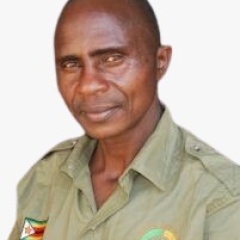 Dumisani Ndlovu
Gweru - The fourteen opposition supporters arrested for allegedly participating in an anti–Constitutional Amendment Bill No.3 gathering have been granted bail, in a case that continues to spotlight tensions around political freedoms and dissent.
The group, arrested last Saturday at Matende Shopping Centre, was each granted US$50 bail each on Thursday.
As part of the conditions, they were ordered to reside at their given addresses and to report to court on every remand date until the matter is finalised.
All fourteen accused were represented by senior Gweru lawyer, Advocate Reginald Chidawanyika. The public prosecution was led by Helen Khosa.
The furteen are Alouis Ziumbwa, Tendai Munhamo, Auther Kalaza, Judith Sibanda, Malvin Chikwekwete, Calvin Maganga, Clive Nyathi, Gilson Chibaya, Livison Chimina, Prince Muzhanda, Nicholas Chitambudza, Otilia Mkandla, Tarisai Machando and Wellington Chimoto.
The accused were apprehended by police after authorities alleged they were part of an unsanctioned gathering opposing the proposed constitutional changes.
Police charged the group under provisions of the Maintenance of Peace and Order Act (MOPA), which governs public assemblies.
Authorities said the arrests followed intelligence reports that the gathering was organised to mobilise resistance against the amendment bill, a development that has triggered political debate across the country.
The arrests come amid growing scrutiny over the handling of dissent linked to the proposed reforms, with members and supporters of the Citizens Coalition for Change (CCC) and civic organisations increasingly finding themselves at odds with law enforcement.
Critics argue that the use of public order laws in such cases raises questions about the balance between maintaining order and protecting constitutional rights, particularly freedom of assembly and expression.
The matter remains before the courts and will be back on the 14th of April 2026.
While the granting of bail offers temporary relief, the case is set to remain a focal point in the ongoing debate over governance, constitutional reform and the space for dissenting voices in Zimbabwe.