Four Life Sentences & 40 Years for Former CID Officer Jaison Muvevi
The High Court of Zimbabwe has sentenced former CID detective Jaison Muvevi to four life terms plus 40 years for a violent 2023 shooting spree across Wedza, Rusape and Mutare. Muvevi was convicted of four counts of murder, including a police inspector and an apostolic leader as well as four counts of attempted murder before his arrest in Mozambique following a massive manhunt.
 Dumisani Ndlovu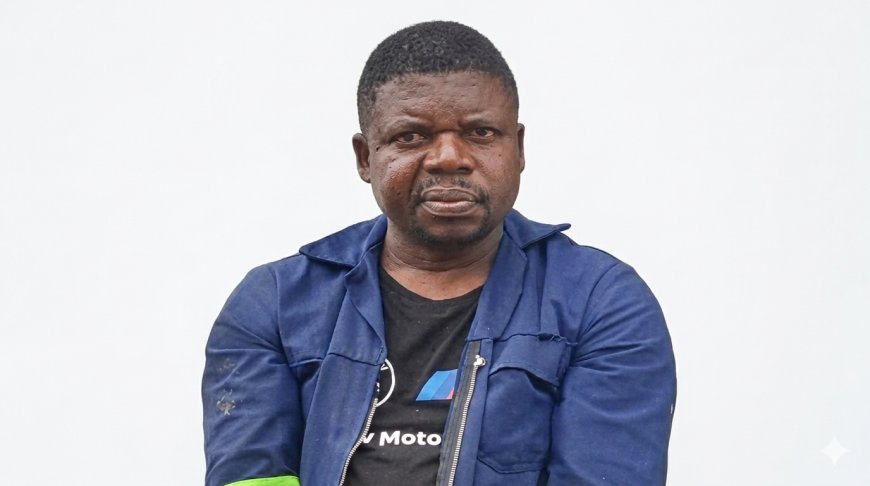
Harare, Zimbabwe - Former Criminal Investigations Department (CID) officer, Jaison Muvevi, has been sentenced to four life sentences with an additional 40 years after the High Court found him guilty of a string of murders and attempted murders linked to a violent shooting spree that unfolded across Wedza, Rusape, Mutare and later extended into Mozambique in 2023.
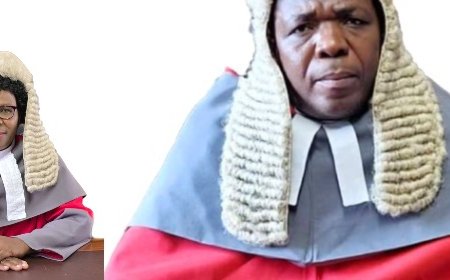
High Court judge Gibson Mandaza delivered the sentence following a conviction on four counts of murder and four counts of attempted murder.
The court said the offences were among the most serious it had dealt with in recent years, noting the calculated nature of the attacks and the fact that the accused was a trained law enforcement officer who used his professional skills to evade arrest and intensify the violence.
The court heard that the victims included Wedza Officer-in-Charge, Inspector Maxwell Hove; an apostolic sect leader, Chrispen Kanerusine; Munashe Majani, a bar tender and Harare resident, Nyarai Round, who were all killed in separate incidents linked to the same sequence of events.
Muvevi was also convicted for the attempted murder of several individuals, including police officers and civilians who survived shootings during his flight from law enforcement.
In handing down the sentence, Justice Mandaza said the court could not ignore the betrayal of public trust by a former police detective who once served within the CID but later became the subject of one of Zimbabwe’s most extensive manhunts.
He said the sentence was intended not only as punishment but as a clear statement on the sanctity of human life and the responsibility carried by those entrusted with firearms and policing authority.
Muvevi’s descent into one of Zimbabwe’s most notorious criminal cases began on 13 January 2023, when he arrived at an apostolic shrine in Wedza where worshippers were gathered, including members of his own family.
It was there that he allegedly shot and killed the prominent Johanne Masowe eChishanu Apostolic Church prophet, Kanerusine, popularly known as Madzibaba Sirage, at close range.
Shortly after the shooting, police officers who had been alerted to the incident moved to intercept him along the Hwedza–Murambinda Road.
It was during this confrontation that Inspector Hove was allegedly shot and killed, while Detective Constable Tendai Mugova sustained serious injuries in the exchange of gunfire.
Muvevi then continued his movement towards Mukamba Business Centre, where he allegedly killed barman, Majani, after a brief interaction outside a local bottle store.
As police launched a coordinated manhunt, Muvevi reportedly moved through Rusape where he evaded capture after a shootout with pursuing officers, abandoning his vehicle and escaping on foot.
The following day he resurfaced in Mutare, moving through rural and peri-urban areas while armed, at times asking for food and directions while attempting to conceal his identity.
During this period, he is also alleged to have fired shots that narrowly missed civilians, further escalating fear among communities in his path.
He later crossed into Mozambique, where he was arrested by authorities in Manica Province shortly after entering the country.
His extradition to Zimbabwe followed soon after, setting the stage for prolonged court proceedings that included remands, psychiatric assessments and debates over his fitness to stand trial before he was eventually found competent to face prosecution three years on.
The sentencing now brings formal closure to the High Court process, ending one of the country’s most disturbing criminal cases in recent years, though the trauma left behind in the affected communities remains deeply felt.