Courtroom Drama in Gweru: Ballistic Report Controversy Forces Magistrate Off Kombayi Trial
A high-stakes legal battle has erupted at the Gweru Magistrates’ Court after the National Prosecuting Authority sought the recusal of Magistrate Arnold Maburo in the trial of former Gweru Mayor Hamutendi Kombayi and others. The dispute, centred on a contested ballistic report, has escalated into a test of judicial impartiality, prosecutorial conduct, and the integrity of Zimbabwe’s justice system. Ballistic report controversy forces Magistrate Arnold Maburo’s recusal in the trial of former Gweru Mayor Hamutendi Kombayi & Others. The case exposes tensions over bias, courtroom procedure, and fairness in Zimbabwe’s justice system.
 Dumisani Ndlovu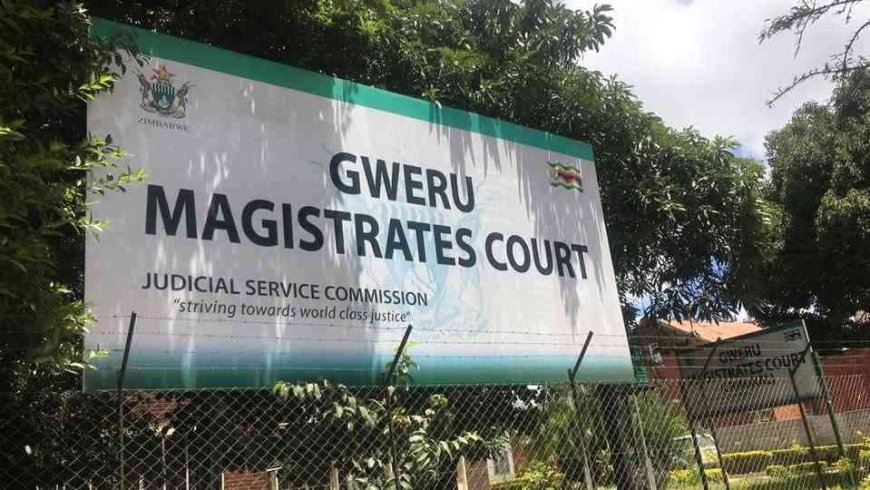
The usually measured rhythms of the Gweru Magistrates’ Court were disrupted when the National Prosecuting Authority (NPA) moved to have Magistrate Arnold Maburo step aside from presiding over the trial of State v former Gweru Mayor, Hamutendi Kombayi and others. What began as a dispute over a single ballistic report has now spiraled into a full-blown legal storm, raising questions about bias, procedure, and the integrity of the justice system itself.
At the heart of the controversy lies a document the State insists was properly tendered into evidence on January 29, 2026. Yet, when proceedings resumed days later, Maburo reportedly declared that the report had not been admitted—a pronouncement that sent shockwaves through the prosecution bench. Prosecutor Brandon Ndlovu argued that the magistrate’s handling of exhibits created both actual bias and the appearance of bias, threatening the complainant’s constitutional right to a fair trial.
Affidavits filed by investigating officer Obadiah Choto and watching brief counsel Rashid Parere paint a picture of confusion inside the courtroom. Defence lawyer Tatenda Zishiri was cross-examining with the disputed report when Maburo intervened, insisting it was not part of the record. The State’s request to inspect the record was declined, leading to tense adjournments and chamber discussions. Later, it was confirmed the report had indeed been tendered, deepening the prosecution’s frustration.
The drama intensified when the defence returned the ballistic report and a firearm certificate to the court record. The State cried foul, questioning how original exhibits had found their way into the defence’s possession. “The cumulative effect of these events creates a reasonable and unavoidable perception that the proceedings have been conducted in a manner inconsistent with established legal standards,” Parere warned.
But the defence, led by Kwande Legal Practitioners, has fought back with equal force. They argue the recusal bid is legally defective, accusing the State of tactical maneuvering to restart a trial that has not gone in its favour. Several witnesses, they claim, failed to identify most of the accused, and a fresh trial would give the prosecution a second chance to strengthen its case.
Zishiri, in his affidavit, admitted temporarily retaining the exhibits during cross-examination due to lack of copies, but insisted they were returned intact and untampered. “I found the exhibits in our file and immediately alerted the State,” he said, dismissing allegations of misconduct.
The defence maintains that no prejudice was suffered, and that the magistrate has conducted himself impartially throughout. “It is actually rare for a prosecutor to seek the recusal of a magistrate,” they argued, warning that restarting the trial would unfairly prejudice the accused.
Behind the legal arguments lies a deeper tension: the delicate balance between prosecutorial zeal and judicial independence. The NPA insists the law of recusal is a safeguard against bias, while the defence sees the application as a desperate attempt to salvage a faltering case.
For days, speculation swirled over how Magistrate Maburo would respond. In the end, he chose to step aside, recusing himself from the matter. The trial now awaits determination before a new magistrate, with the outcome poised to shape not only the fate of the accused but also broader perceptions of fairness in Zimbabwe’s courts.
What began as a dispute over a single report has become a test of principle: whether justice can withstand the pressures of contested evidence, courtroom drama, and the ever-present shadow of bias.