Charges Withdrawn Against Zimbo Live Journalist
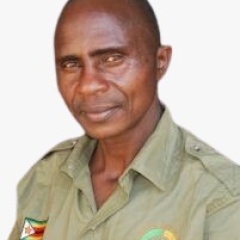 Dumisani Ndlovu
Harare - The State on Friday, 6 February 2026, withdrew charges against Zimbo Live journalist, Pellagiah Mupurwa, bringing to an end a case that had sparked widespread concern among media freedom advocates.
The withdrawal was made at the instance of the complainant, businessman Steven Mutumhe, who had accused the journalist of transmitting false data messages in contravention of the Cyber and Data Protection Act.
Mupurwa had been facing allegations that interviews she conducted with residents of Budiriro, which were later published by Zimbo Live, contained false information intended to cause harm.
In the interviews, residents accused Mutumhe of forcibly taking over a residential property.
Mutumhe maintained that the claims were false and damaging to his reputation.
Following the withdrawal of the case, Zimbo Live issued a public retraction and apology, acknowledging that the publication and widespread circulation of the video interview had caused “reputational damage, emotional distress, or inconvenience.”
The media outlet said it had unreservedly apologised to Mutumhe and committed itself to strengthening its editorial processes, verification standards and internal controls to prevent similar incidents in future.
The case had drawn sharp criticism from media watchdogs after Mupurwa was arrested on Wednesday, 4 February, and being detained overnight at Budiriro 2 police station.
A day later, she was taken to Sally Mugabe Central Hospital after suffering a medical emergency, according to the Media Institute of Southern Africa (MISA) Zimbabwe.
Mupurwa, who was represented by lawyer Dumisani Mthombeni, had been warned and cautioned before submitting a statement to police.
She was initially expected to appear in court on Friday before the charges were withdrawn.
Media organisations, including MISA Zimbabwe and the Zimbabwe Union of Journalists (ZUJ), had condemned her arrest, arguing that the use of criminal law in a dispute over the accuracy of a media report amounted to an attack on press freedom.
“Using criminal law, such as the Cyber and Data Protection Act, in a dispute over the accuracy of a media report has a chilling effect on journalism, as it effectively criminalises journalistic work,” MISA said, citing Section 61 of the Constitution, which guarantees media freedom and freedom of expression.