Australia Faces 'Deadly' Flu Season as Super K Strain Spreads and Vaccination Rates Plummet
Health experts warn of a significant threat to public health as the virulent "Super K" influenza strain arrives early in Australia, amid reports that national vaccination rates have fallen to critical lows.
 Harry Taruva
Sydney, Australia - Medical professionals in Australia have issued an urgent warning over a "potentially deadly" influenza season as a virulent new strain begins to circulate while national immunisation rates continue to decline.
The "Super K" strain, which dominated the northern hemisphere’s winter, is reported to be spreading earlier and faster than varieties seen in previous years.
Health officials are particularly alarmed by data showing that influenza deaths in Australia doubled in January 2026 compared to the same period last year.
The surge in activity follows a significant drop in public uptake of the vaccine.
Last year, only one in three Australians were vaccinated against the flu, a sharp decrease from the one-in-two ratio recorded prior to the COVID-19 pandemic.
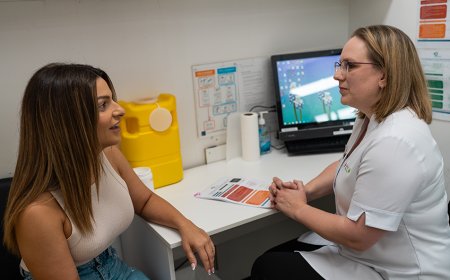
Bupa Asia Pacific Chief Medical Officer, Dr Nic Woods, warned that the combination of high viral activity and low immunity created a precarious situation for the most vulnerable members of society.
"High flu activity combined with low vaccination rates will make this flu season extremely dangerous and potentially deadly for high-risk groups, including the elderly and children," Dr Woods said.
 Dr Nic Woods
"We cannot afford to be complacent or ignore the warning signs. Super K is spreading earlier and faster than flu strains seen in previous seasons," he said.
The risk to the youth population is of particular concern to the medical community.
Despite the availability of free vaccines for young children, only 25% of those under the age of five received a jab last year.
Bupa Asia Pacific says the trend mirrors observations from the northern hemisphere, where approximately 90% of childhood influenza deaths occurred in children who had not been vaccinated.
Historical data further reveals the severity of the current threat.
According to health records, Australia saw more influenza-related fatalities last year than at any point since the Spanish flu pandemic over a century ago.
"Getting the flu vaccine can save lives, especially in a high-risk season like this," Dr Woods said.
"It is one of the easiest and most effective ways Australians can protect themselves, their loved ones and their community," he said.
In response to the growing threat, private health insurer, Bupa, has announced the provision of 40,000 free flu vaccinations for its customers.
The initiative aims to bolster public defences before the traditional winter peak.
"The flu continues to pose a serious risk to many Australians, and we all have a role to play in improving access to vaccination and helping people understand just how important it is," Dr Woods added.
While vaccines remain the primary line of defence, health authorities are also reminding the public to maintain hygiene standards, including regular hand washing and staying home when symptomatic, to curb the spread of the Super K strain.
Free vaccines remain available for high-risk groups, including pregnant women, Indigenous Australians and those with specific underlying medical conditions.