
Zimbabwean Nurses Launch Three-Day Nationwide Strike Over Pay and Working Conditions
Nurses across Zimbabwe have commenced a three-day nationwide strike from April 20 to April 22, 2026, protesting inadequate salary increments and deteriorating workplace conditions. Following the rejection of a modest pay increase primarily in local ZiG currency, the Zimbabwe Nurses Association (ZINA) is demanding a substantial cost-of-living adjustment and an end to the chronic staffing shortages that have seen thousands of professionals emigrate.
 Delicious Mathuthu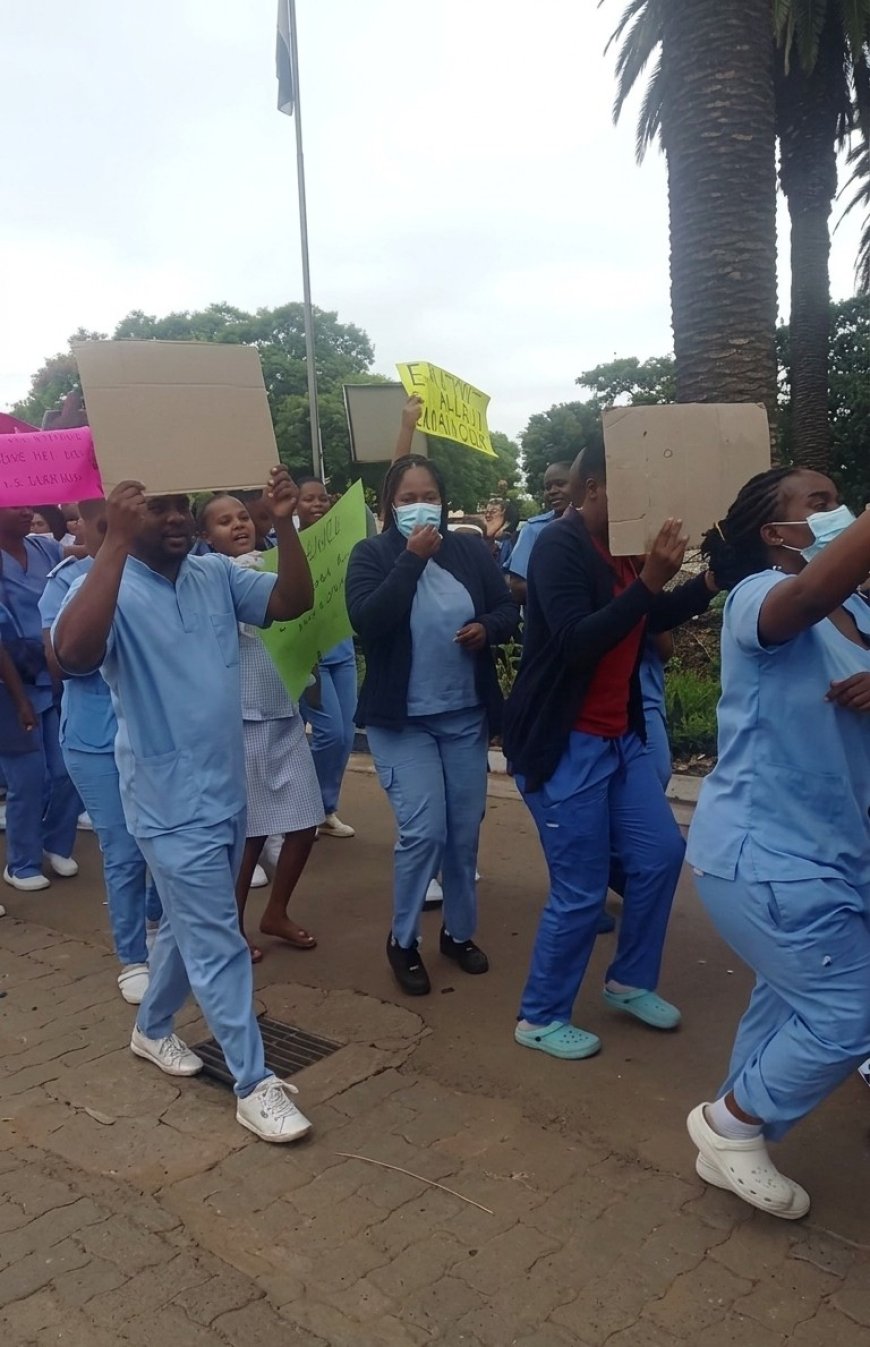
Bulawayo - Nurses across Zimbabwe have launched a three-day nationwide strike, bringing many public hospitals and clinics to a near standstill as they protest what they describe as persistently inadequate salaries and deteriorating working conditions.
The industrial action by the Zimbabwe Nurses Association (ZINA), which began on Monday 20 April 2026 and is due to run until Wednesday, follows weeks of negotiations that the union says ended in broken promises from the government.
In a formal letter dated 14 April, to the Secretary of the Health Service Commission, and copied to the Health Minister and Permanent Secretary, ZINA president, Enock Dongo, informed authorities that all nurses would down tools from 20 to 22 April.
The notice, issued under the Health Service Act, had given the employer until 19 April to respond.
“We have been instructed by our members to advise your office that all nurses under your employ are going to embark in a nationwide strike,” the letter stated.
Essential staff in intensive and critical care units have been instructed not to abandon patients, but routine wards, outpatient departments and clinics are expected to be heavily affected.
The immediate trigger was the April 2026 pay cycle. After an earlier strike notice for 15-17 April was withdrawn following government assurances of a meaningful review, nurses received increments of between US$30 and US$40, mostly paid in the local ZiG currency, with no increase in US dollars.
Union leaders say they had expected rises of US$550 to US$600 per month.
Dongo described the adjustment as a mere token that cannot be taken seriously and not what they agreed on.
“Government is responding well in terms of inviting us to the table,” he told nurses at Sally Mugabe Central Hospital in Harare, “but the unfortunate part is that there is no meaningful offer that has been given… The whole of last year we did not receive any increment.”
Nurses’ core grievances extend beyond the latest pay slip. They demand a cost-of-living adjustment (COLA), an end to unexplained salary deductions, greater transparency on payslips and measures to offset soaring transport costs caused by repeated fuel price hikes.
Union leaders say the basic salaries, currently around US$240 plus a ZiG component worth roughly another US$150, are unacceptably low and not commensurate with the cost of living or the demands of the profession.
Many nurses report struggling to afford rent, food or school fees and some have been unable even to report for duty because they cannot pay bus fares.
The dispute is the latest chapter in a chronic crisis afflicting Zimbabwe’s public health system.
For years nurses and other health workers have staged repeated strikes, notably in 2017, alongside junior doctors, over unpaid bonuses, in 2018 over pay and conditions, and again in 2022 demanding salaries in US dollars as inflation eroded local-currency earnings.
Each time the pattern has been similar as government promises, followed by limited action, the renewed walk-outs.
Underlying the unrest is a severe staffing shortage. As of late 2025, reports say the public health sector was already short of at least 14,000 workers.
An estimated 7,000 nurses have emigrated, with more Zimbabwean nurses now working abroad, particularly in the UK, Australia, Ireland and the United States, than remain at home
Official figures show over 3,600 Zimbabwean nurses registered in the UK alone.
The nurse-to-patient ratio, ideally one nurse to five or seven patients, has deteriorated to roughly one to 20 or worse in many facilities in Zimbabwe.
Rural clinics sometimes serve catchment areas of 8,000–15,000 people with just a handful of staff and burnout is widespread.
Health and Child Care Minister, Douglas Mombeshora, previously.saidnthere is need to buildi a resilient, equitable and high-performing health system, but union leaders argue that such measures do not address the root cause which is pay that no longer supports a basic livelihood.
The strike comes at a precarious moment for ordinary Zimbabweans, who rely overwhelmingly on the public sector for healthcare.
Already strained by repeated disease outbreaks and medicine shortages, hospitals face the prospect of wards with skeletal staffing or closed altogether.
“When the nurses are on strike, people die. That is the truth. A lot of Zimbabweans rely on government institutions… If we do not have nurses at Sally Mugabe Central Hospital, definitely lives will be lost,” Dongo said.