"Wish I’d Slept More”: Teens Reflect During Safer Internet Day as Australia Enforces Under-16 Social Media Ban
Australian officials marked Safer Internet Day by promoting digital literacy and launching new resources as the country enforces a world-first social media age restriction for under-16s.
 Delicious Mathuthu
Canberra - Australian youth advocates and government officials gathered at Parliament House on Tuesday to mark Safer Internet Day, sharing reflections on growing up online and launching new educational resources aimed at building digital literacy among children.
This comes as the country enforces a world-first social media age restriction for those under 16.
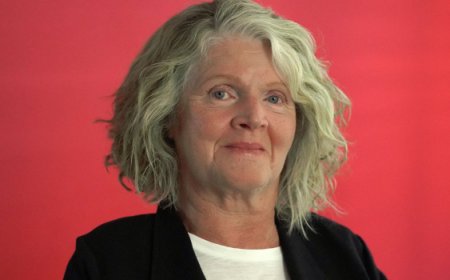
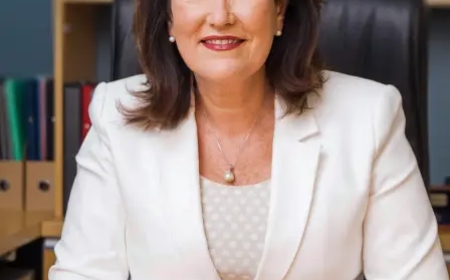
The event, led by eSafety Commissioner, Julie Inman Grant, and Communications Minister, Anika Wells, featured older teens from the eSafety Youth Council recounting lessons from their early online experiences and offering advice to their younger selves.
It comes amid Australia's social media "delay," which took effect on December 10, 2025, requiring platforms like Facebook, Instagram, Snapchat, TikTok and YouTube to take reasonable steps to prevent under-16s from holding accounts, without penalizing the children or their parents.
By mid-January, platforms had deactivated about 4.7 million such accounts, though eSafety acknowledged some underage users remained active and full compliance assessments were ongoing.
Inman Grant emphasized the need to equip under-16s with skills to navigate online environments before encountering social media's "powerful and opaque algorithmic forces."
"Many over-16s have told us they wish the delay had taken effect when they were younger. Today we’ll hear how they experienced life online in their early teens, how they view it today and what advice they would give to their younger selves," she said.
"We have so much to learn from this generation, who have grown up moving seamlessly between their online and offline worlds because to them there is no divide between the two," she added.
The commissioner highlighted the event's broader call for reflection.
"But it’s not just the younger generations who can benefit. This Safer Internet Day, we’re asking everyone to reflect on what they they’ve learned," she said.
Safer Internet Day, observed globally on February 10, 2026, in over 180 countries, focuses on promoting safer online spaces, with Australia's eSafety Commission leading national efforts.
This year's theme emphasized "Smart Tech, Safe Choices," exploring responsible Artificial Intelligence use amid rising concerns over online harms like cyberbullying, grooming and algorithmic manipulation.
A key announcement was the launch of "Mighty Heroes," an interactive web-based game featuring Australian bush characters to teach children the "four R’s of the Digital Age, Respect, Responsibility, Reasoning, and Resilience."
Inman Grant described it as essential for early digital safety education.
"Teaching digital safety early is essential in our online world. Every child deserves the right guidance, and we all play a part in making the internet safer and more positive," she said.
The game, co-designed with educators, parents and children, requires no logins and is accessible on various devices, adding to eSafety's suite of resources including algorithmic literacy tools to help teens manage feeds.
Minister Wells, in her address, reflected on consultations with students about the social media changes, noting mixed reactions but consensus on holding platforms accountable.
"There was a consensus though in every school I visited, it was that social media platforms should be responsible for cleaning up their own mess, and they should be held accountable for the harm they are causing to young people online."
Wells announced plans for a "Digital Duty of Care" to shift from reactive measures to preventive systems by tech companies, addressing harms like non-consensual deepfakes and predatory behavior on platforms such as Roblox.
She put Roblox "on notice" over recent grooming reports, seeking urgent advice from eSafety and others.
"I am going to use every lever at my disposal to stop it," she said.
Sharing student advice from her electorate, Wells quoted: "I wish I’d spent less time on YouTube and Instagram," "I wish I’d slept more and studied more," and "I wish I’d known when to stop."
The social media restriction, passed in late 2024 amid concerns over teen mental health, has inspired similar proposals in Denmark, the UK, France, Malaysia, Indonesia and Zimbabwe, though critics argue it may exclude vulnerable groups like rural or LGBTQI+ youth and question enforcement feasibility.
Tech firms have complied reluctantly, with some underage accounts persisting via workarounds.
Inman Grant, a former tech executive at Microsoft and Twitter who has faced intense scrutiny including abuse and legal battles with figures like Elon Musk over content removal, views the delay as creating "friction" in a previously unchecked system.
She told the BBC that "If we can delay [kids'] entry into social media for three years, and we can supplement that with digital action plans so that we're building their critical reasoning skills and resilience, then that's something that I think is worth exploring."
She likened online risks to ocean dangers.
"We need to teach them about risks, like algorithmic rips. We need to teach them about predators in the water. It's sharks online, it's paedophiles and other scammers."
eSafety is bolstering support through updated resources at esafety.gov.au, urging families, schools, and communities to foster safer digital habits.
The event included senior leaders from mental health and youth organizations, highlighting a collaborative push for online safety.