Ministers Propose Medicinal Cannabis Rules Overhaul
The New South Wales Government has announced a sweeping review of its roadside drug testing laws to stop punishing drivers using legally prescribed medicinal cannabis.
 Harry Taruva
Sydney - The New South Wales (NSW) Government has announced a major overhaul of state driving laws to stop penalising motorists who use legally prescribed medicinal cannabis.
Roads Minister, Jenny Aitchison, confirmed proposed amendments to the NSW Road and Transport Act, bowing to years of sustained pressure from medical experts, legal reform advocates and crossbench Memebers of Parliament who argue the current strict liability framework is scientifically flawed.
Under existing state legislation, motorists can be convicted if any trace of medicinal cannabis is detected in their system via saliva tests, even if the drug was consumed days prior and the individual is no longer impaired.
The rules differ significantly from how the law treats other powerful prescription medications, such as benzodiazepines or opioid painkillers.
The strict approach has had an especially severe impact on regional communities, where sparse public transport networks leave residents entirely dependent on cars for employment and medical appointments.
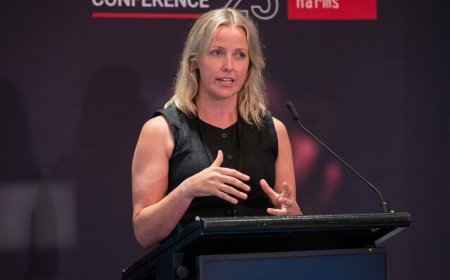
"We need a health and well-being response to drug use, and that includes people who drive and use prescribed medicinal cannabis," said Alexandra Hogan, Social Justice Lead at Uniting NSW.ACT.
"Today's announcement is recognition that the NSW Road and Transport Act needs to be amended to be in step with the current legal status of medicinal cannabis and in line with laws for similar prescribed drugs," she said.
Hogan noted that the push for reform had gained significant momentum in regional hubs like Lismore, where the lack of transport alternatives forces patients into an impossible choice between legal medicine and their driving licences.
"The current law is out of step with evidence, creating barriers for people to lead full and thriving lives, particularly in regional areas," she said.
"If your work or daily life requires driving, the law as it stands is creating unfair barriers for people who use prescribed medicinal cannabis," Hogan added.
The changes have been widely welcomed by the Fair Treatment campaign and the charity Unharm, which have spearheaded drug law reform initiatives in the state for nearly a decade.
Advocates are now urging the state government to build on the momentum by implementing the remaining public health recommendations from last year's comprehensive Drug Summit.