NSSA Trains Journalists on Occupational Safety and Health
The National Social Security Authority (NSSA) has trained Gweru journalists on Occupational Safety and Health legislation, urging proactive, ethical reporting to improve workplace safety awareness.
 Dumisani Ndlovu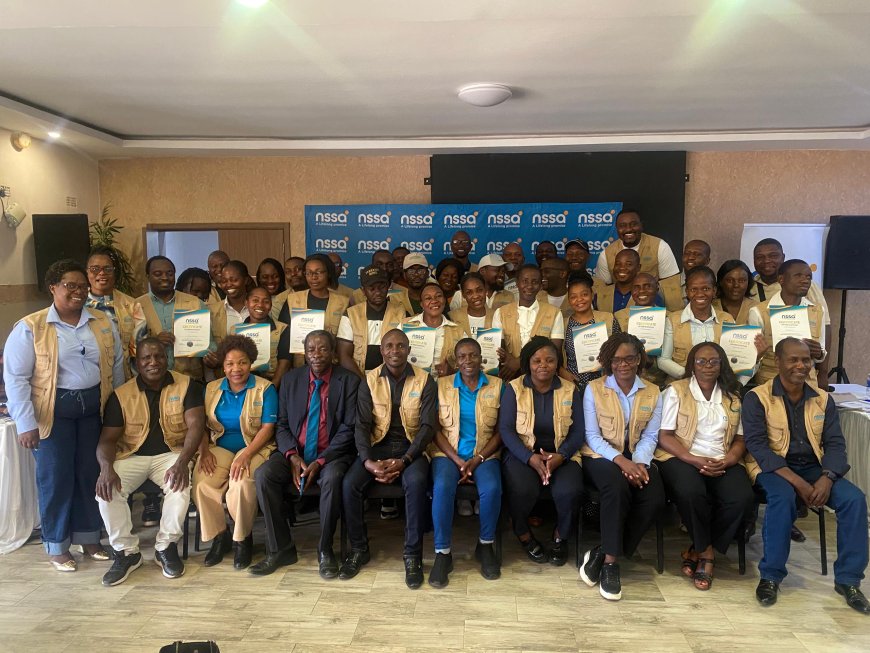
Gweru - The National Social Security Authority (NSSA) has intensified efforts to strengthen workplace safety awareness by equipping journalists with specialised training on Occupational Safety and Health (OSH).
The strategic workshop, held in Gweru, sought to enhance the media’s understanding of workplace safety standards and improve the quality, accuracy and impact of reporting on occupational health issues.
Speaking during the training, NSSA OSH Promotions and Training Officer, Shingirirai Mugaviri, noted that workplace safety reporting has historically received limited attention in mainstream media, often only attracting headlines after tragic incidents.
She urged journalists to shift from reactive reporting towards proactive storytelling that highlights organisations implementing effective safety measures and preventative strategies.
“Media practitioners must go beyond reporting disasters after they happen.
"There is a need to spotlight institutions that are prioritising worker safety and preventing accidents before lives are lost,” Mugaviri said.
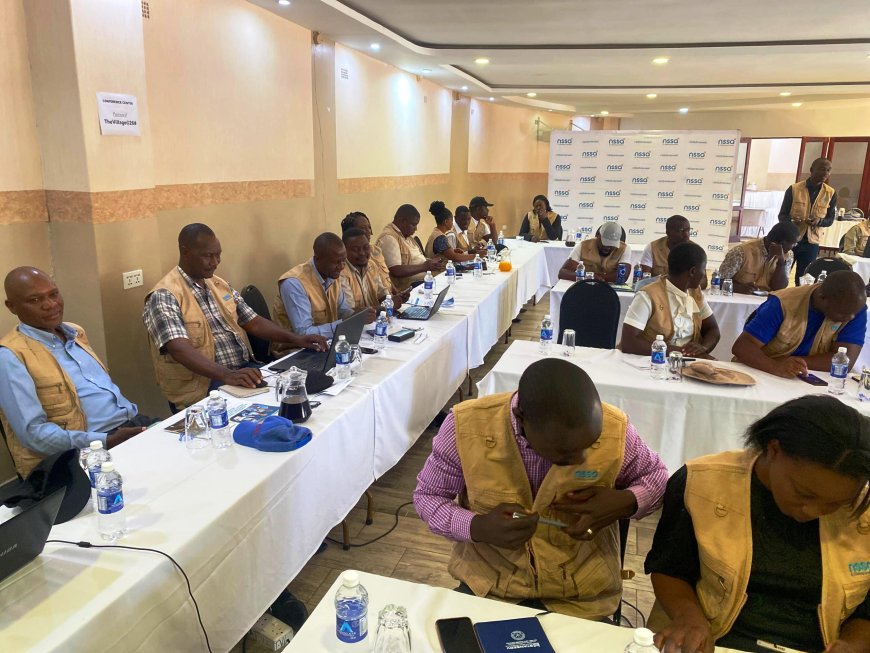 Some of the Midlands journalists attending the OSH training.
NSSA Digital Media and Contact Centre Manager, Agatha Dondo, encouraged reporters to investigate unsafe working environments, expose negligence and celebrate companies complying with safety regulations.
She also warned against sensational reporting, particularly when covering occupational illnesses and workplace fatalities.
“Journalists must handle such stories ethically and responsibly while relying on verified information from NSSA inspectors and official reports,” Dondo emphasised.
Adding to the discussions, NSSA Principal Training Officer, Dr Ernest Mando, highlighted the broader economic importance of quality journalism in workplace safety advocacy.
He explained that in-depth reporting focusing on root causes and prevention mechanisms can help companies minimise financial losses while improving compliance with national safety regulations.
“Effective reporting should protect the public interest without compromising the dignity of victims and their families,” Dr Mando said.
In a notable contribution, NSSA Gweru Communication Liaison Officer, Peace Shava, reminded participants that journalists themselves operate in high-risk environments.
He cited long working hours, poor ergonomic conditions, mental exhaustion, online harassment and digital fatigue as growing concerns within the media industry.
“The media sector is not immune to workplace hazards. Every journalist and media technician deserves an environment where safety and wellbeing are treated as priorities,” Shava said.
He further called for newsroom reforms that promote mental health support systems and mandatory workplace safety checks.
To sustain momentum generated by the initiative, NSSA confirmed that it will continue sponsoring Occupational Safety and Health reporting awards aimed at encouraging excellence in workplace safety journalism.